alt text
Cammino

Franciscan Way

A historical and devotional route inspired by the values of simplicity, hospitality, and spirituality, connecting the main sites associated with the presence of the Franciscans on the island and offering an experience of spiritual and cultural sharing.

Itinerary

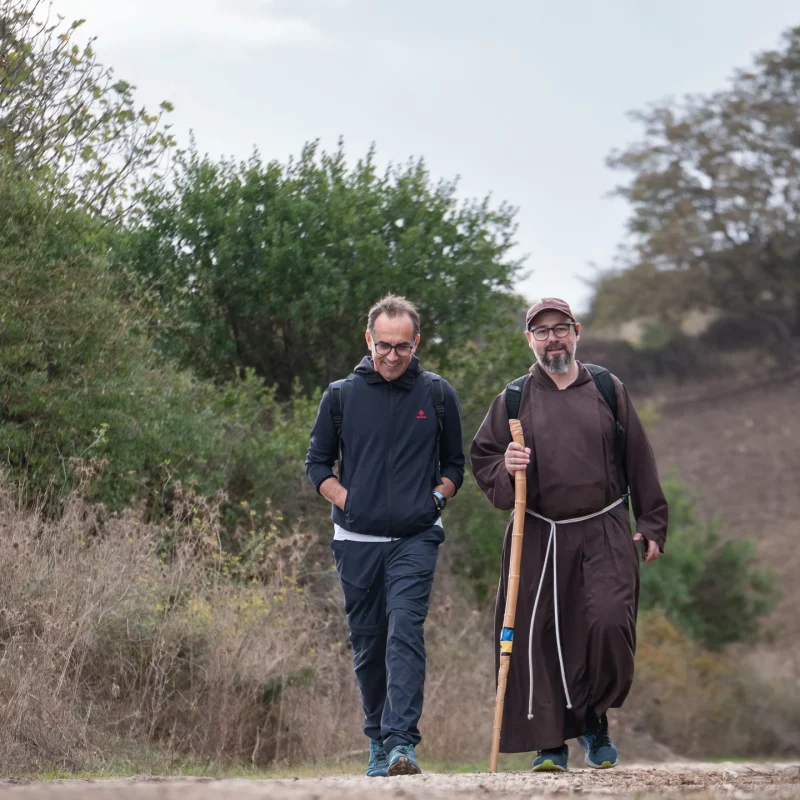
The Franciscan Way in Sardinia crosses the main centers associated with the presence of the Friars Minor on the island, linking convents, sanctuaries, and villages in a route that reflects the values of Saint Francis: poverty, fraternity, and respect for creation.

The path unfolds through both rural and urban environments, offering an accessible and deeply human experience, where encounters with people and places are as meaningful as the landscapes. It is an ideal route for those seeking a spiritual journey that is also social, combining faith, culture, and the local territory.

Technical information

Departure:
Cagliari
Arrival:
Laconi
Stages:
8
Days:
8
Km:
125.00
Type:
Historical - religious

Path's points of interest

Discover the municipalities you will encounter along your journey with everything they have to offer.

Tipology:
Point of interest

Alghero

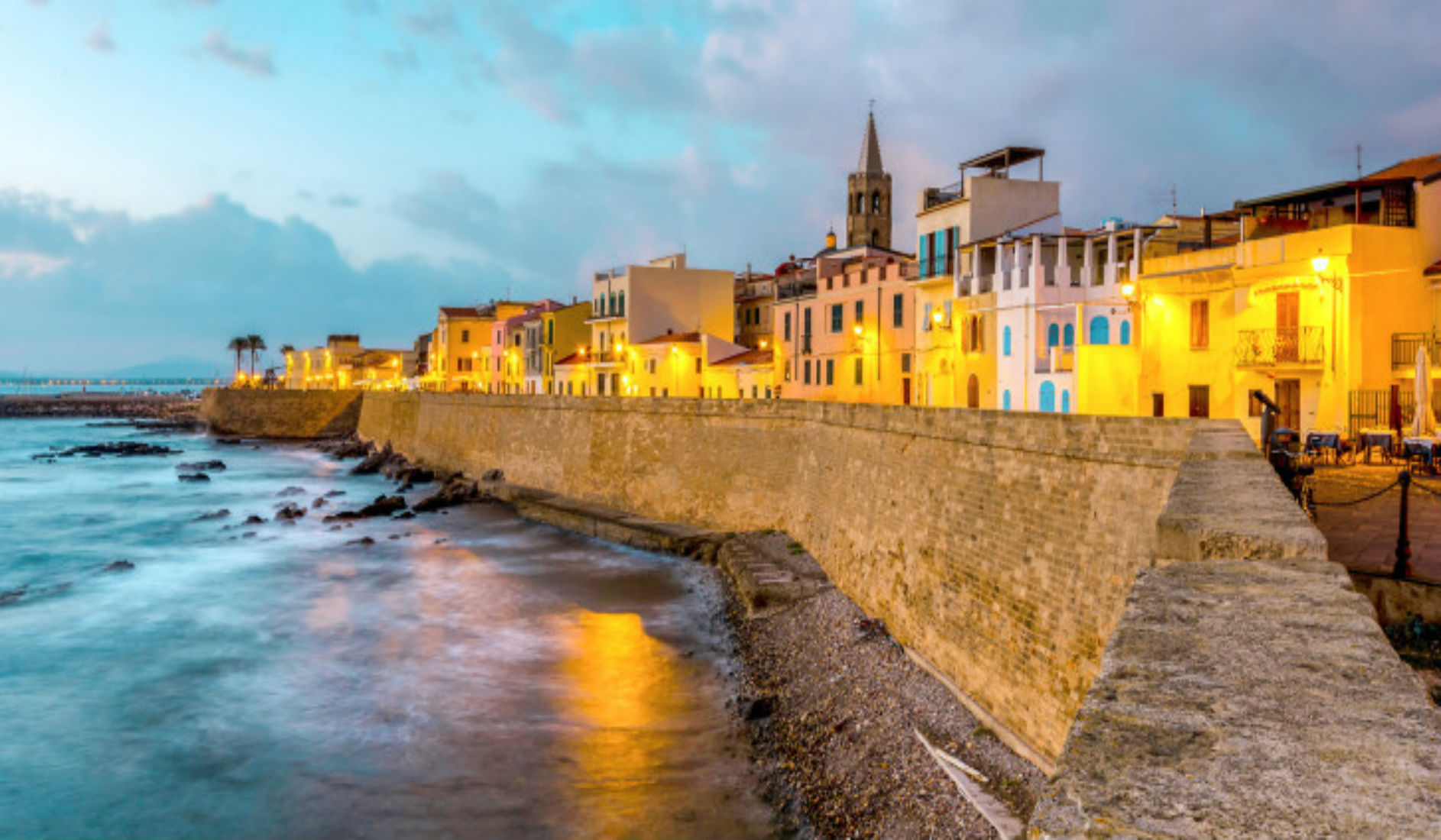
Alghero, the fifth-largest city in Sardinia with around 44,000 inhabitants, is one of the main gateways to the island thanks to Fertilia Airport. Overlooking the intensely colored sea, it charms visitors with its historic center surrounded by bastions, red rooftops, and panoramic seaside promenades. The coastline, about 90 km long and known as the Riviera del Corallo, hosts the most important colony of precious coral in the Mediterranean and beautiful beaches such as Le Bombarde, Lazzaretto, Mugoni, Lido di San Giovanni, and the Maria Pia dunes. Much of the coast is part of the Capo Caccia – Isola Piana Marine Protected Area, home to the famous Neptune’s Grotto.

The surrounding territory is enriched by the Porto Conte Park, an oasis of Mediterranean scrub, forests, and lagoons, as well as numerous archaeological sites, including domus de janas, necropolises, and nuraghi. The historic center retains a strong Catalan imprint, visible in its walls and religious buildings, such as Santa Maria Cathedral and the churches of San Michele and del Carmelo. The city is also a vibrant cultural hub, with sites like Casa Manno, the Coral Museum, and cherished traditions including the Catalan New Year and Holy Week rituals.

Alghero is home to important custodians of local agricultural and livestock biodiversity: Angelo Murineddu, custodian of the Sardinian pig, and Monica Carboni, who preserves various traditional varieties such as the Arrubia almond, Appiu apple, Faita Brent’e Monza bean, Cossu almond, Camusina pear of Sassari, Niedda almond, Pompìa citrus, and Seba Mitja Vermella onion, contributing to the safeguarding of a precious heritage that defines the identity of the territory.
copertina-alghero
Tipology:
Point of interest

Castelsardo

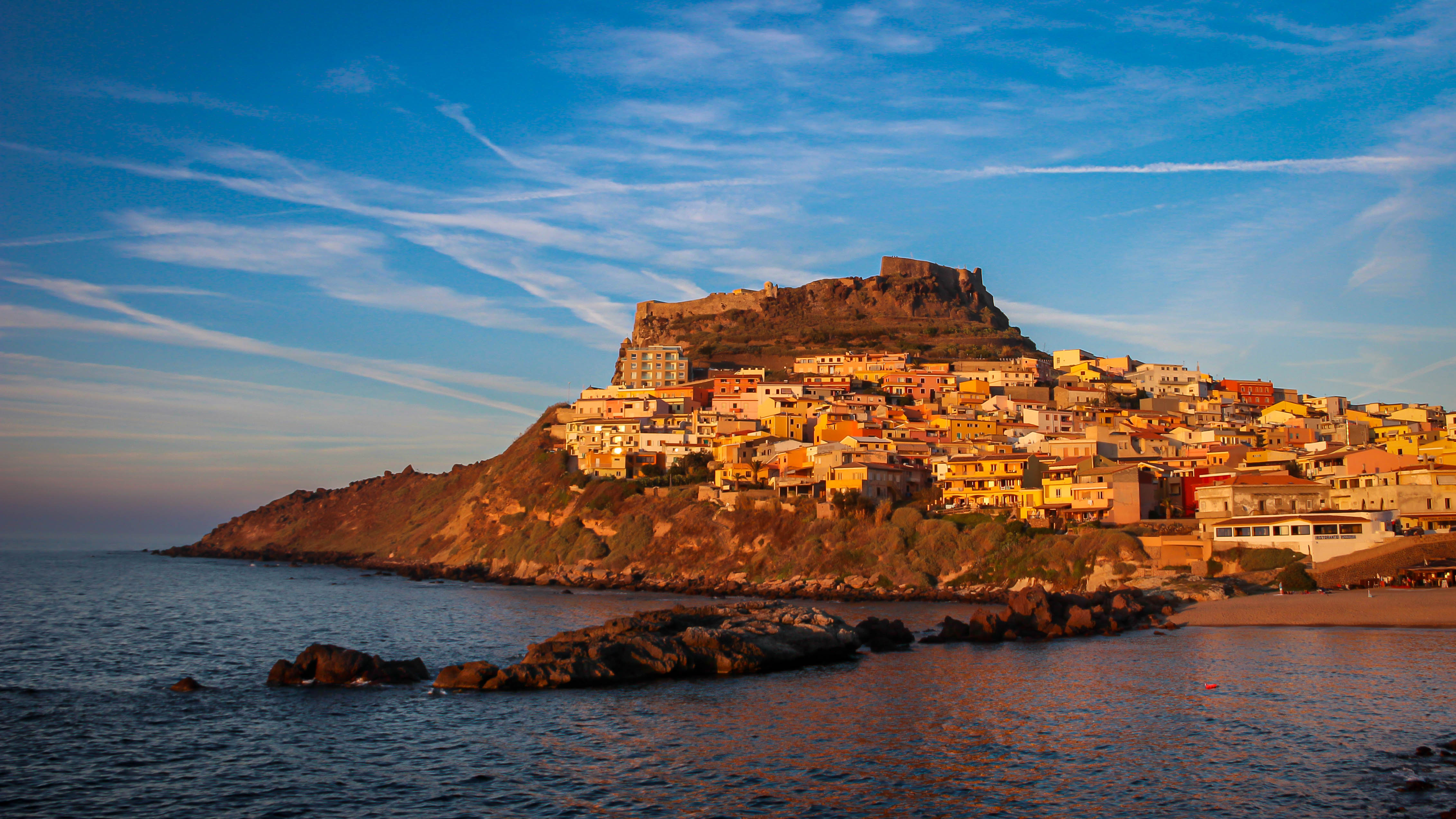
Castelsardo is one of Sardinia’s most charming villages, perched on a promontory overlooking the Gulf of Asinara in the north of the island. Founded in the 13th century by the Genoese Doria family, the town has preserved the allure of a medieval citadel by the sea, where history, spectacular views, and centuries-old traditions blend harmoniously.

The historic center revolves around the Doria Castle, an imposing fortress that still dominates the town and houses the Mediterranean Weaving Museum. From here, a maze of cobbled streets, stairways, and arches leads to panoramic squares, artisan workshops, and ancient stone houses, offering stunning views of the sea and coastline.

Castelsardo is renowned for its artisanal tradition, particularly the ancient craft of palm-fiber basket weaving, passed down through generations and now one of the village’s iconic symbols. The religious heritage is also significant, represented by the Cathedral of Sant’Antonio Abate, with its distinctive dome-topped bell tower dominating the town’s skyline.

The surrounding area offers picturesque beaches and coves such as Lu Bagnu, along with scenic trails connecting the village to the coast and inland areas. Castelsardo is also famous for traditional events with deep symbolic value, including the Holy Week rituals, among the most intense and widely attended in Sardinia.

Within this rich historical and cultural context, the preservation of agricultural biodiversity plays a crucial role. In Castelsardo, Mario Tirotto serves as a custodian farmer of the Gioghedda Bean of Castelsardo, a traditional variety deeply connected to the territory. Thanks to his dedication, this valuable agricultural heritage continues to be preserved and promoted, helping to maintain the rural and cultural identity of the village.

castelsardo-copertina
Tipology:
Point of interest

Laconi

Laconi is a picturesque inland village in Sardinia, located in the historic region of Sarcidano at the foot of the Gennargentu massif. Nestled in a landscape of hills, forests, and natural springs, it is known for its green and peaceful character—ideal for those wishing to discover a Sardinia far from the sea but rich in charm, history, and spirituality.

At the heart of the village lies Parco Aymerich, one of Sardinia’s most beautiful historic gardens. Covering over twenty hectares, it features centuries-old holm oaks, exotic plants, streams, waterfalls, and paths leading to the ruins of a medieval castle, offering an immersive experience in both nature and historic landscape.

Laconi is deeply connected to Saint Ignatius of Laconi, one of the island’s most venerated saints, born here in the 18th century. The sanctuary and other sites dedicated to him attract numerous pilgrims every year, making Laconi an important center for religious tourism. The historic center retains an authentic atmosphere, with stone houses, quiet streets, and notable churches, while the surrounding territory is rich in ancient archaeological evidence.

Alongside its natural and cultural heritage, Laconi plays an important role in biodiversity conservation. Local guardians work to preserve native animal breeds: Ignazio Cogoni, breeder and custodian of the Sardinian cow and the Sardo-Bruna cow, and Claudia Cogoni, guardian of the Sardinian donkey. Their work helps safeguard a valuable genetic heritage and keeps alive the agro-pastoral traditions that form a fundamental part of the local identity.

laconi-copertina

Interactive map

Explore the trail and discover points of interest along the way

Back to top