

alt text
Cammino

Path of Sant'Antioco

The path of Sant'Antioco is an itinerary of about 120 km that connects Iglesias to the island of Sant’Antioco, crossing the Sulcis region. The route leads the pilgrim from ancient mining areas to the Mediterranean Sea and forms a loop around the island, passing through Phoenician-Punic archaeological sites, rock churches, and coastal landscapes. It is a spiritual and nature-focused journey connected to the figure of Saint Antioco, the patron saint of Sardinia.

Itinerary

The pathof Sant’Antioco is a pilgrimage and slow-tourism route that crosses the Sulcis-Iglesiente area in southwestern Sardinia. The itinerary starts from Iglesias, a historic mining town, and develops through hills, countryside, and natural landscapes until it reaches the coast and the island of Sant’Antioco, which is connected to the mainland by an isthmus.

Once on the island, the route continues along a circular path that allows visitors to explore coastal landscapes, salt flats, cliffs, and small towns linked to maritime traditions. Along the way, travelers encounter Phoenician-Punic archaeological remains and important Christian places of worship, including the basilica and the catacombs dedicated to Saint Antioco.

The route combines a spiritual dimension, historical heritage, and Mediterranean landscapes, offering a slow-travel experience that reveals the culture, traditions, and identity of the Sulcis region.

Technical information

Departure:
iglesias
Arrival:
Sant'Antioco
Stages:
6
Days:
6
Km:
120.00
Type:
Spiritual, cultural, naturalistic

Path's points of interest

Discover the municipalities you will encounter along your journey with everything they have to offer.

Tipology:
Point of interest

Calasetta

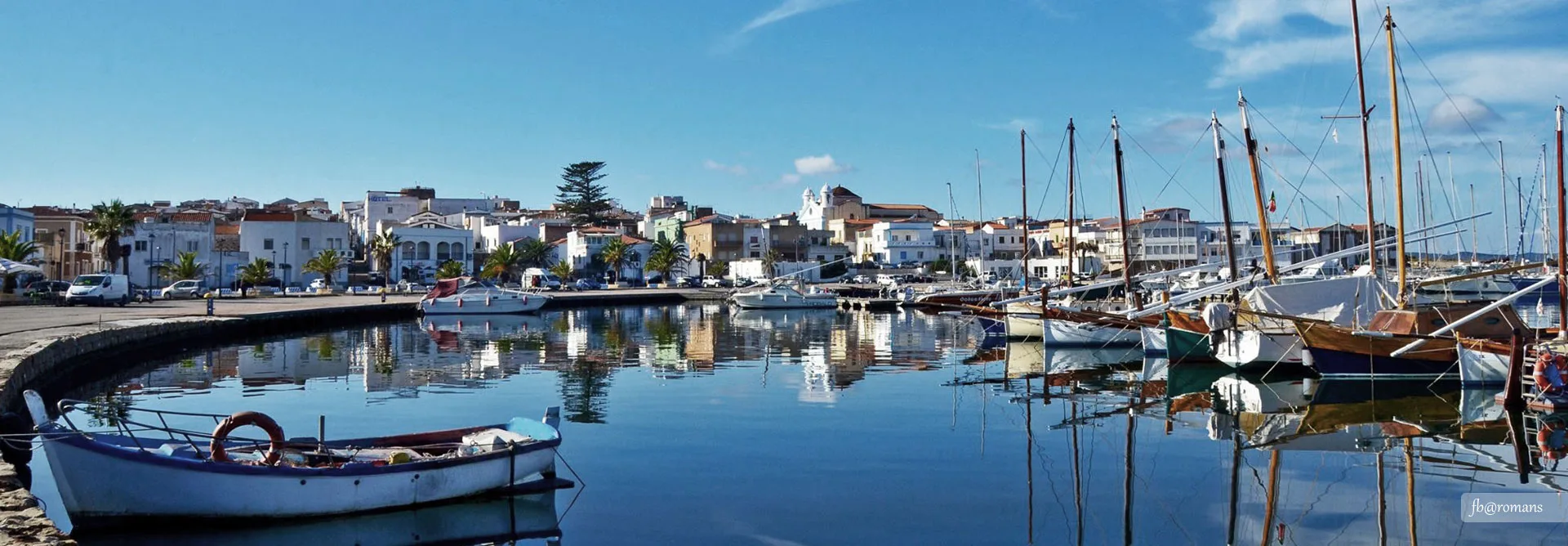
This picturesque town on the southwestern coast of Sardinia, with just over 2,500 inhabitants, maintains an intimate and authentic atmosphere, with brightly colored houses, cobbled streets, and a slow pace of life closely tied to the sea.

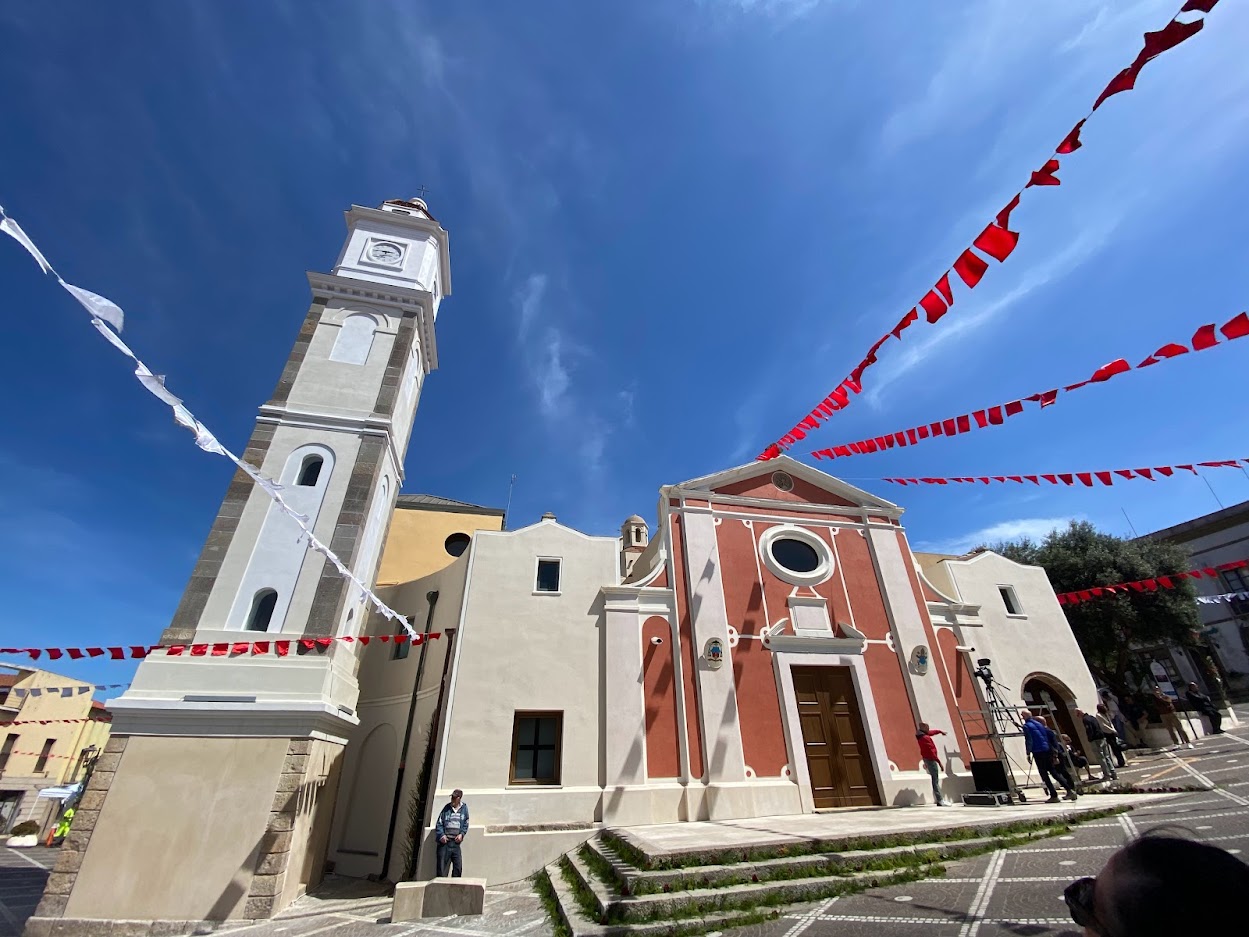
The town’s history is deeply connected to the Tabarchino community, which arrived in the 18th century from the Tunisian island of Tabarca. This heritage is still evident today in the local language, traditions, architecture, and culture. The historic center, with its low houses, red-tiled roofs, pastel or light-colored façades, and Ligurian-influenced details, reflects this Mediterranean legacy.

Calasetta’s territory is enriched by stunning beaches such as Sotto Torre and Le Saline, featuring golden sand, crystal-clear waters, and rocky stretches interspersed with small coves. Dunes and seabeds teeming with marine life make the area ideal for hiking, snorkeling, and diving. The harbor serves as the social heart of the town, hosting gatherings, events, and festivals that strengthen the sense of community.

Alongside its natural and cultural heritage, Calasetta also preserves important agricultural traditions. In particular, the protection of local biodiversity plays a significant role. In Calasetta, Michele Ricci and Marianna Aresti serve as custodians of the Calasetta Black Lentil, a traditional and valuable crop. Thanks to their dedication, this heritage variety continues to be preserved and promoted, helping to keep the agricultural memory and local identity alive.
copertina-calasetta
Tipology:
Point of interest

Sant'Antioco

An ancient island of Sulcis, Sant'Antioco combines Phoenician archaeology, bright beaches, byssus craftsmanship and wines born almost in contact with the sea.
It is a destination where history and the seascape coexist in a unique way, offering an authentic experience between culture and Mediterranean nature.

sant-antioco-copertina

Interactive map

Explore the trail and discover points of interest along the way

Back to top