alt text
Cammino

Santa Barbara Mining Trail

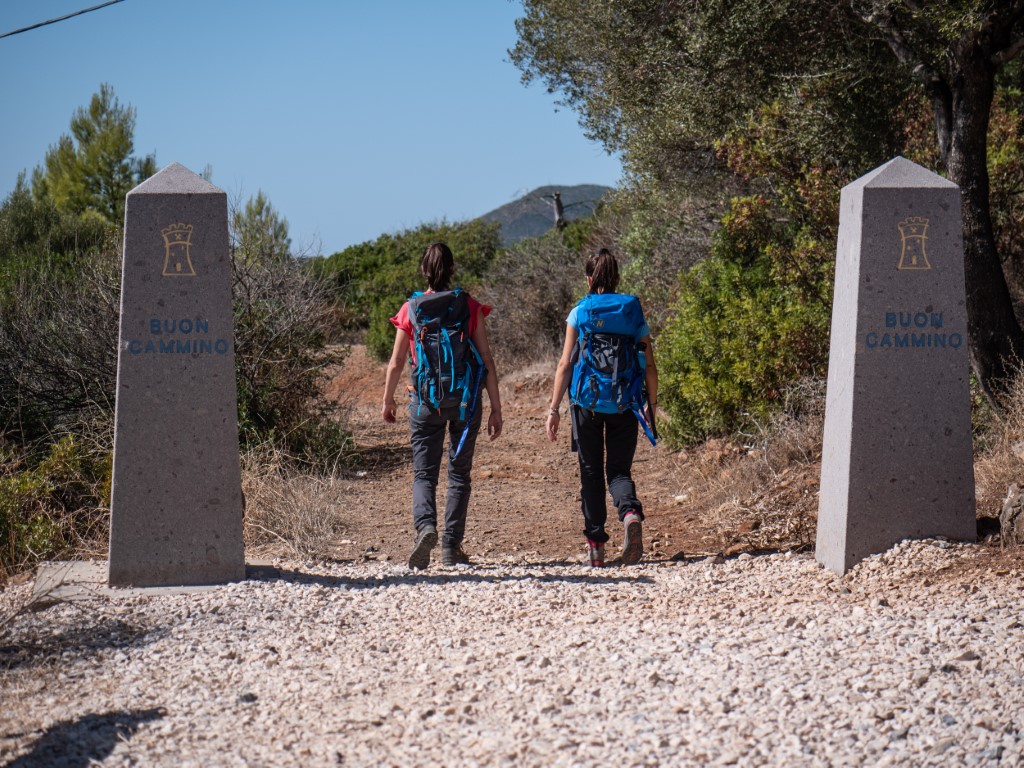
A roughly 500 km circular route in southwestern Sardinia, the Santa Barbara Mining Trail connects ancient mining sites, natural landscapes, and sanctuaries dedicated to the patron saint of miners, offering an experience that blends nature and industrial history. Step by step, it tells the story and memory of the mines and the communities that lived and worked there.

Itinerary

The Santa Barbara Mining Trail crosses the heart of the Sardinian Geomineral Park, one of the island’s most fascinating and least explored areas. The route connects ancient mines, workers’ villages, tunnels, washing plants, archaeological sites, and stunning natural landscapes, telling a unique story of labor, sacrifice, and community.

Dedicated to Saint Barbara, the patron saint of miners, this trail is both a journey through industrial memory and an immersive nature experience: rugged coasts, hills, forests, and rural areas alternate along the path, inviting reflection and discovery. It is an ideal route for those seeking a culturally rich walk that unites history, identity, and landscape.

Technical information

Departure:
Iglesias
Arrival:
Iglesias
Stages:
30
Days:
27-30
Km:
500.00

Path's points of interest

Discover the municipalities you will encounter along your journey with everything they have to offer.

Tipology:
Point of interest

Arbus

Arbus is a territory with a name of uncertain origin, which could derive from the Latin albus, referring to the light color of the mountain rocks; from arburis, for the ancient abundance of trees; or from arabus, linked to barbarian invasions along its coasts. More certain and deeply rooted, however, is its artisanal tradition, particularly the crafting of curved-blade knives, the is arresoias arburesas, a symbol of manual skill and local identity.

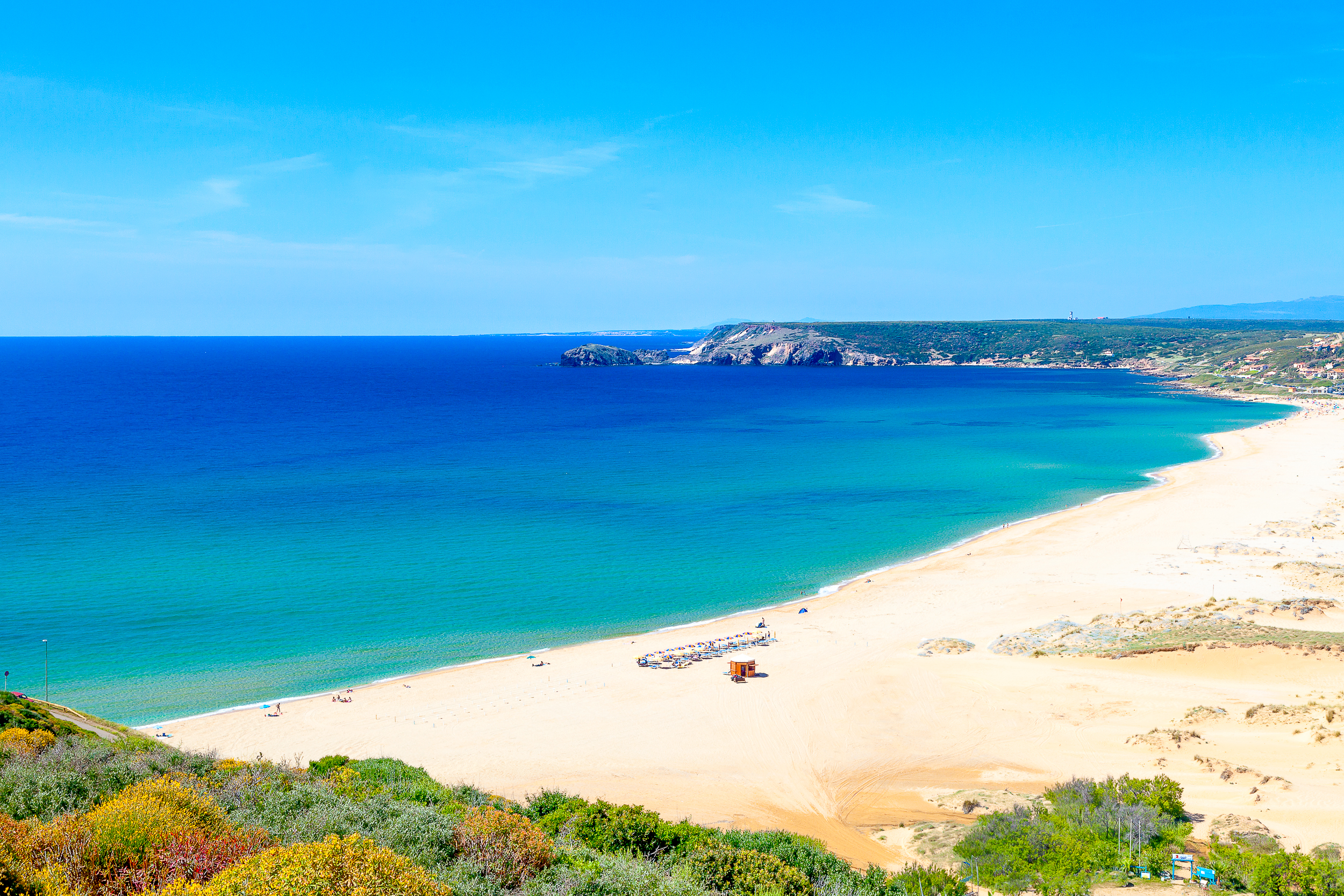
The municipality of Arbus covers one of the largest areas in Italy, second only in Sardinia to Sassari, occupying a vast territory in the central-southwest of the island. Its coastline stretches for about 47 kilometers and is among the most striking in Sardinia, alternating wide golden sand beaches, tall dunes shaped by the wind, and cliffs overlooking crystal-clear waters.

This coastal area is known as the Costa Verde, a wild and pristine landscape where some of the tallest dunes in Europe descend toward waters of intense azure and emerald green. Behind the sea, Mediterranean vegetation shaped by the mistral wind forms unique scenes, with centuries-old junipers bent close to the ground.

Arbus is a destination for those who love authentic, unconventional places, far from mass tourism, where hospitality is simple and genuine, deeply connected to Sardinian lifestyle and direct contact with nature. In this context, the presence of local biodiversity custodians plays a fundamental role: Atzeni Pietro, who safeguards the Sardo-Modicana cow, the Sardinian goat, and the Black sheep of Arbus; Schirru Monica and Schirru Roberto, custodians of the Sardo-Modicana cow; Casti Sebastiano for the Sardinian donkey; Lampis Mauro and Sandro, Saba Monica, Isu Paolo, and Dessì Ignazio, engaged in protecting the Black sheep of Arbus, with Saba Monica also active in safeguarding the Sardinian goat; and Pala Gabriella, custodian of the Sardinian goat. Thanks to their dedication, a valuable livestock heritage continues to live on, preserving and telling the deep identity of this territory.
arbus-copertina
Tipology:
Point of interest

Calasetta

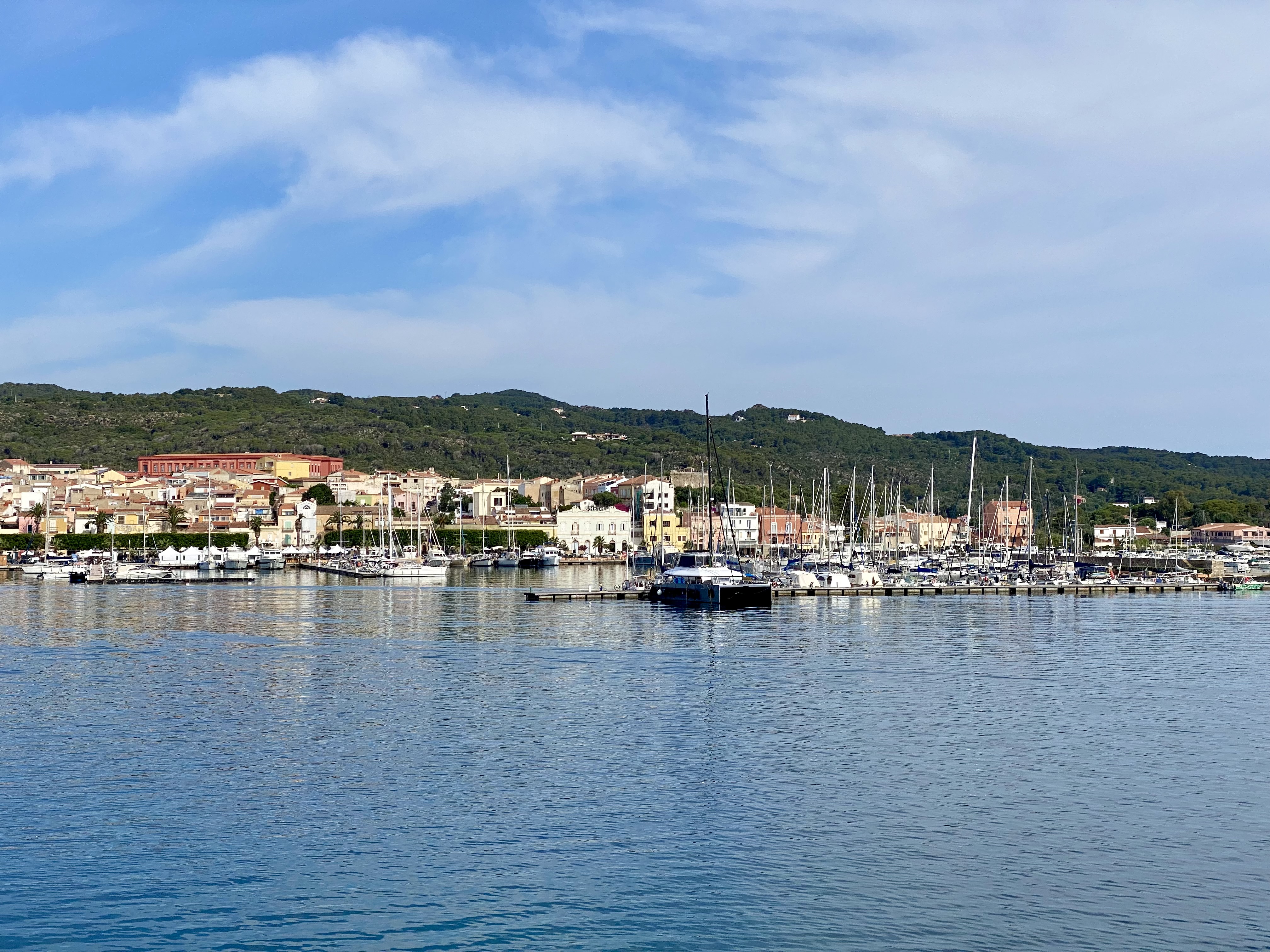
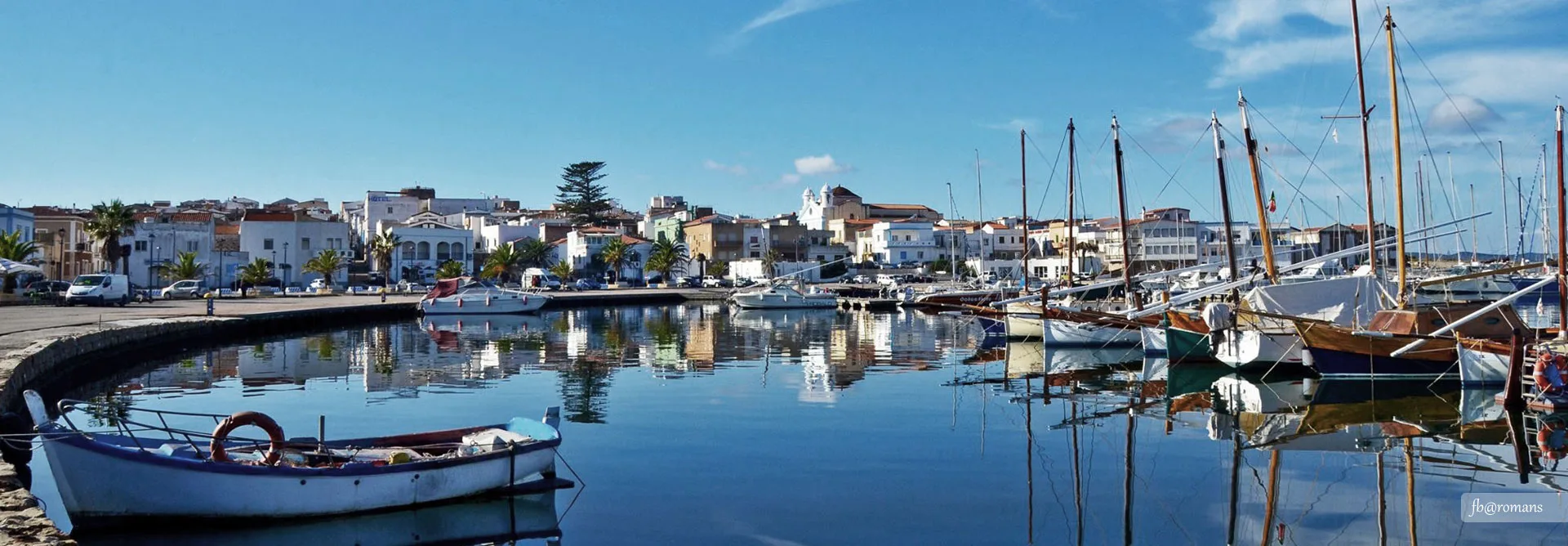
This picturesque town on the southwestern coast of Sardinia, with just over 2,500 inhabitants, maintains an intimate and authentic atmosphere, with brightly colored houses, cobbled streets, and a slow pace of life closely tied to the sea.

The town’s history is deeply connected to the Tabarchino community, which arrived in the 18th century from the Tunisian island of Tabarca. This heritage is still evident today in the local language, traditions, architecture, and culture. The historic center, with its low houses, red-tiled roofs, pastel or light-colored façades, and Ligurian-influenced details, reflects this Mediterranean legacy.

Calasetta’s territory is enriched by stunning beaches such as Sotto Torre and Le Saline, featuring golden sand, crystal-clear waters, and rocky stretches interspersed with small coves. Dunes and seabeds teeming with marine life make the area ideal for hiking, snorkeling, and diving. The harbor serves as the social heart of the town, hosting gatherings, events, and festivals that strengthen the sense of community.

Alongside its natural and cultural heritage, Calasetta also preserves important agricultural traditions. In particular, the protection of local biodiversity plays a significant role. In Calasetta, Michele Ricci and Marianna Aresti serve as custodians of the Calasetta Black Lentil, a traditional and valuable crop. Thanks to their dedication, this heritage variety continues to be preserved and promoted, helping to keep the agricultural memory and local identity alive.

copertina-calasetta
Tipology:
Point of interest

Carloforte

Carloforte is a charming village on San Pietro Island, in southwestern Sardinia, about 60 km from Carbonia. With around 6,000 inhabitants, the town is famous for its pastel-colored houses, cobbled streets, and lively atmosphere that blends maritime traditions with Ligurian culture, inherited from the Tabarchino settlers who arrived from Tabarca in the 17th century.

The historic center is a maze of alleys opening onto the harbor, the pulsating heart of town life, where fishermen dock their boats every day and restaurants serve local specialties based on tuna, shellfish, and other seafood. The colorful façades, flowered balconies, and inner courtyards tell the story of a community proud of its Mediterranean roots.

Carloforte boasts a strong gastronomic tradition, with a particular focus on tuna processing and the preparation of traditional sweets such as cucuruzza and Tabarchino cookies. The annual Tuna Festival attracts visitors from across the island and abroad, celebrating the deep bond between the community and the sea.

The surrounding beaches, such as La Bobba and Guidi, offer golden sands and crystal-clear waters, while scenic trails and nature paths allow visitors to explore cliffs plunging into the sea, hidden coves, and the Mediterranean scrub covering the inland hills. Carloforte is therefore a true paradise for sailing, snorkeling, and trekking enthusiasts.

Within this area of great natural and cultural value, the preservation of agricultural biodiversity plays a crucial role. In Carloforte, Erica Di Pasqua works as a custodian farmer of Facussa (Cucumis melo L.), a traditional local melon variety. Thanks to her dedication, this native crop continues to be preserved and promoted, helping to keep the island’s agricultural and cultural identity alive and passing on a unique and valuable rural heritage to future generations.

copertina-carloforte
Tipology:
Point of interest

Fluminimaggiore

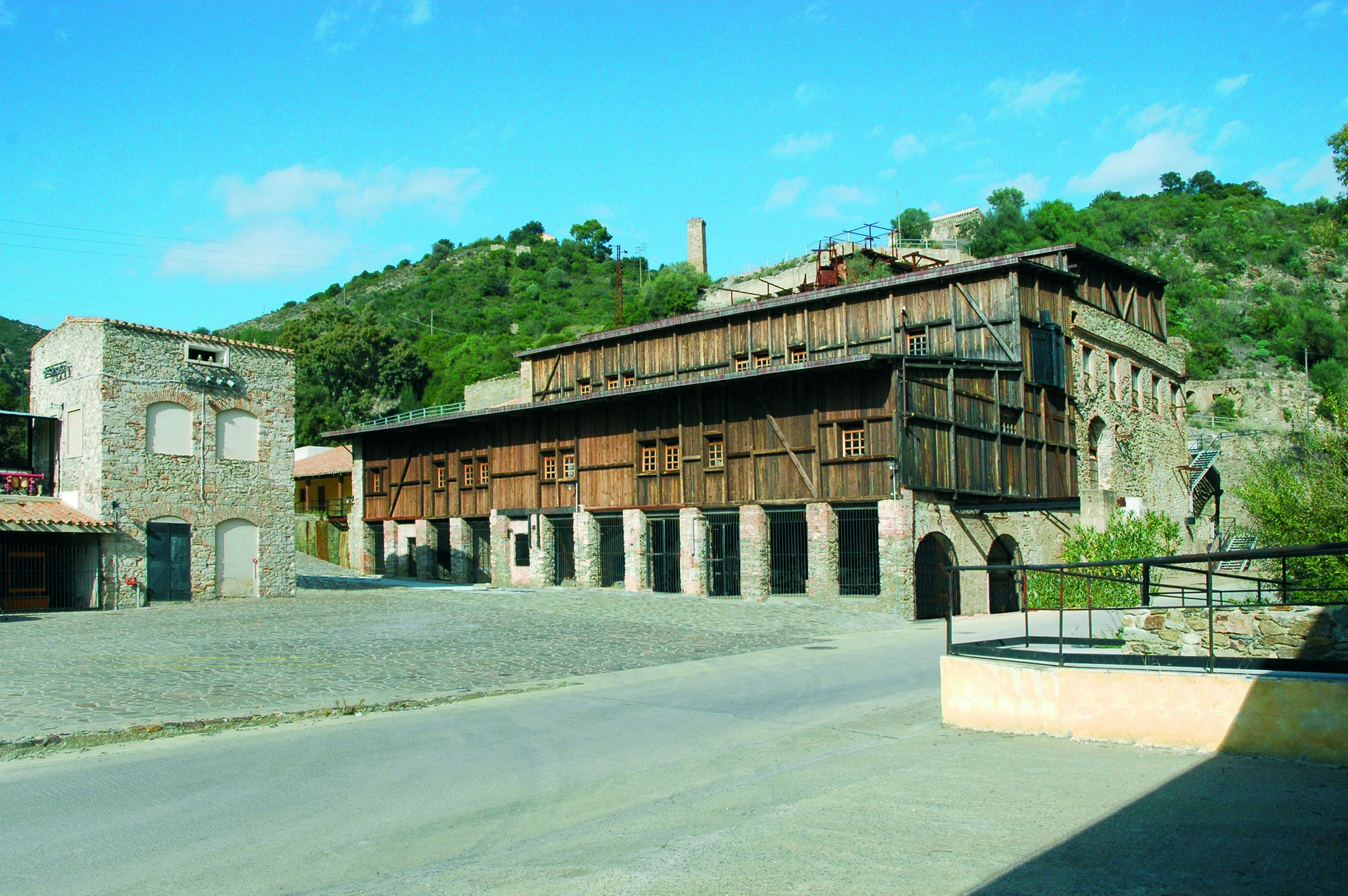
Fluminimaggiore is a municipality in southwestern Sardinia, nestled between mountains, green valleys, and a rugged, wild coastline overlooking the Sea of Sardinia. The town stretches along the course of the Mannu River and maintains a strong connection to its mining history, which for over a century shaped both the landscape and the identity of the local community.

The surrounding area is characterized by limestone ridges, holm oak forests, and Mediterranean scrub, crossed by numerous trails ideal for hiking, cycling, or horseback riding. Among the most notable natural sites are the Su Mannau Caves, one of Sardinia’s most important karst complexes, used since ancient times as a Nuragic sanctuary and today appreciated for its extraordinary beauty.

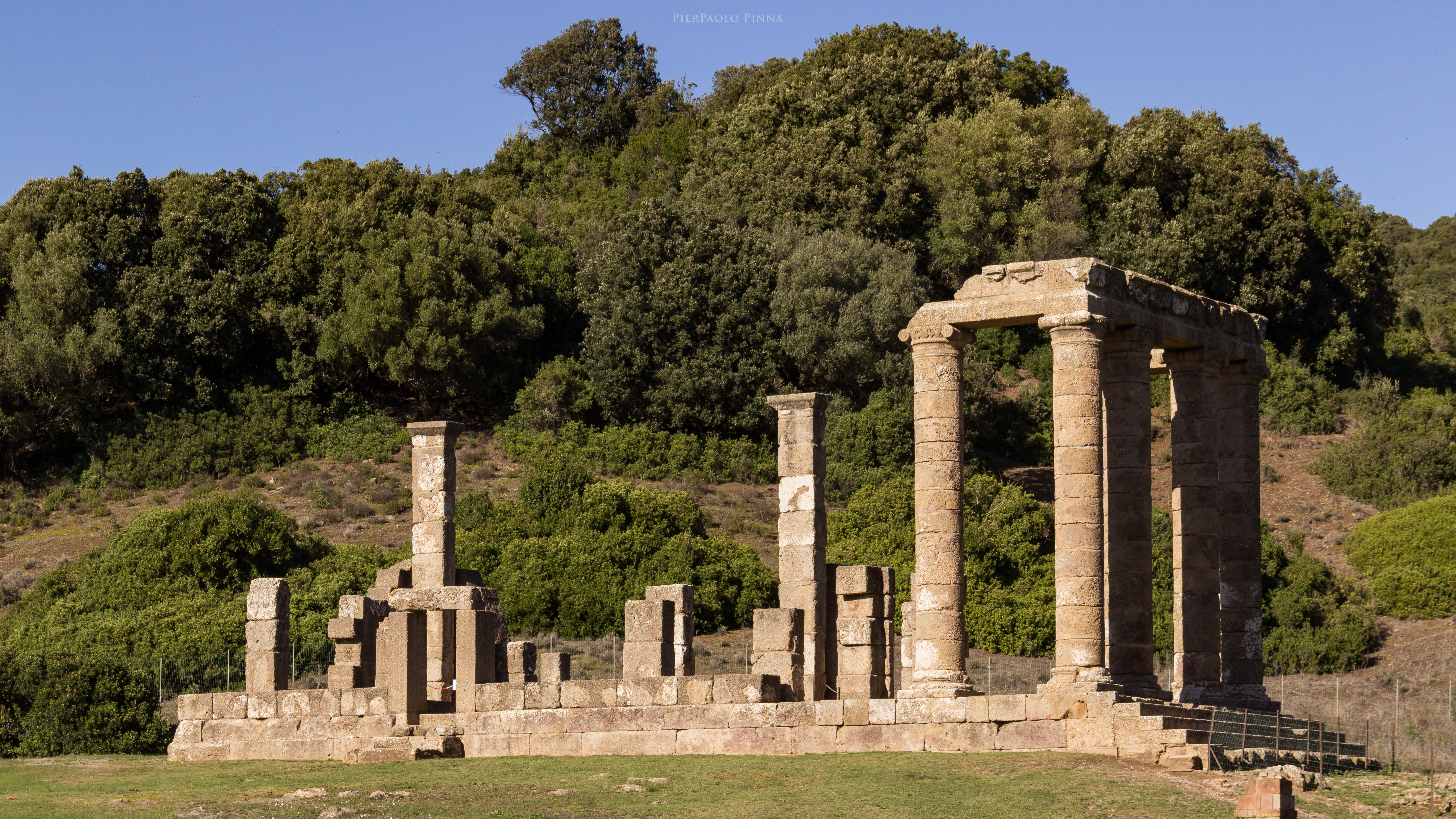
The municipality extends to the coast, where Portixeddu Beach offers a wide stretch of golden sand washed by clear, often windy waters—popular among surfers and water sports enthusiasts. Nearby cliffs and coves provide pristine, lightly frequented environments, perfect for those seeking silence and direct contact with nature. The area also preserves important archaeological sites, such as the Temple of Antas, dedicated to the god Sardus Pater, set in a lush and evocative valley.

In this context of strong connection to the land, the preservation of local agricultural biodiversity is especially important. In Fluminimaggiore, dedicated custodians work to protect traditional varieties: Martino Liscia, guardian of the White Bean of Fluminimaggiore and the White Corn (Maize), and Annalisa Congia, guardian of the White Bean of Fluminimaggiore. Thanks to their efforts, this valuable agricultural heritage continues to be preserved and passed on, helping to maintain the rural and cultural identity of the territory.

copertina-fluminimaggiore
Tipology:
Point of interest

Musei

Musei is a small municipality in southwestern Sardinia, located in the Sulcis area, surrounded by gentle hills, vineyards, and rural landscapes that reflect an agricultural and tranquil Sardinia. Far from mass tourism, the village offers an authentic experience shaped by traditions, a slow pace of life, and a strong connection to the land.

The area preserves important historical evidence, including nuraghi, domus de janas, and remains of Punic and Roman settlements, attesting to millennia of human presence. Village life is closely linked to agriculture, shepherding, and rural activities that have long characterized Sulcis. The historic center, compact and orderly, maintains a familiar atmosphere with simple houses, quiet squares, and a community life marked by religious and popular festivals that keep local traditions alive.

Musei’s agricultural landscape is ideal for lovers of slow and sustainable tourism: walks among fields and vineyards, visits to farms and local wineries, allow travelers to discover a discreet yet charming territory. The gastronomy reflects this rural vocation, with authentic dishes based on local products, cheeses, traditional bread, and typical Sulcis wines.

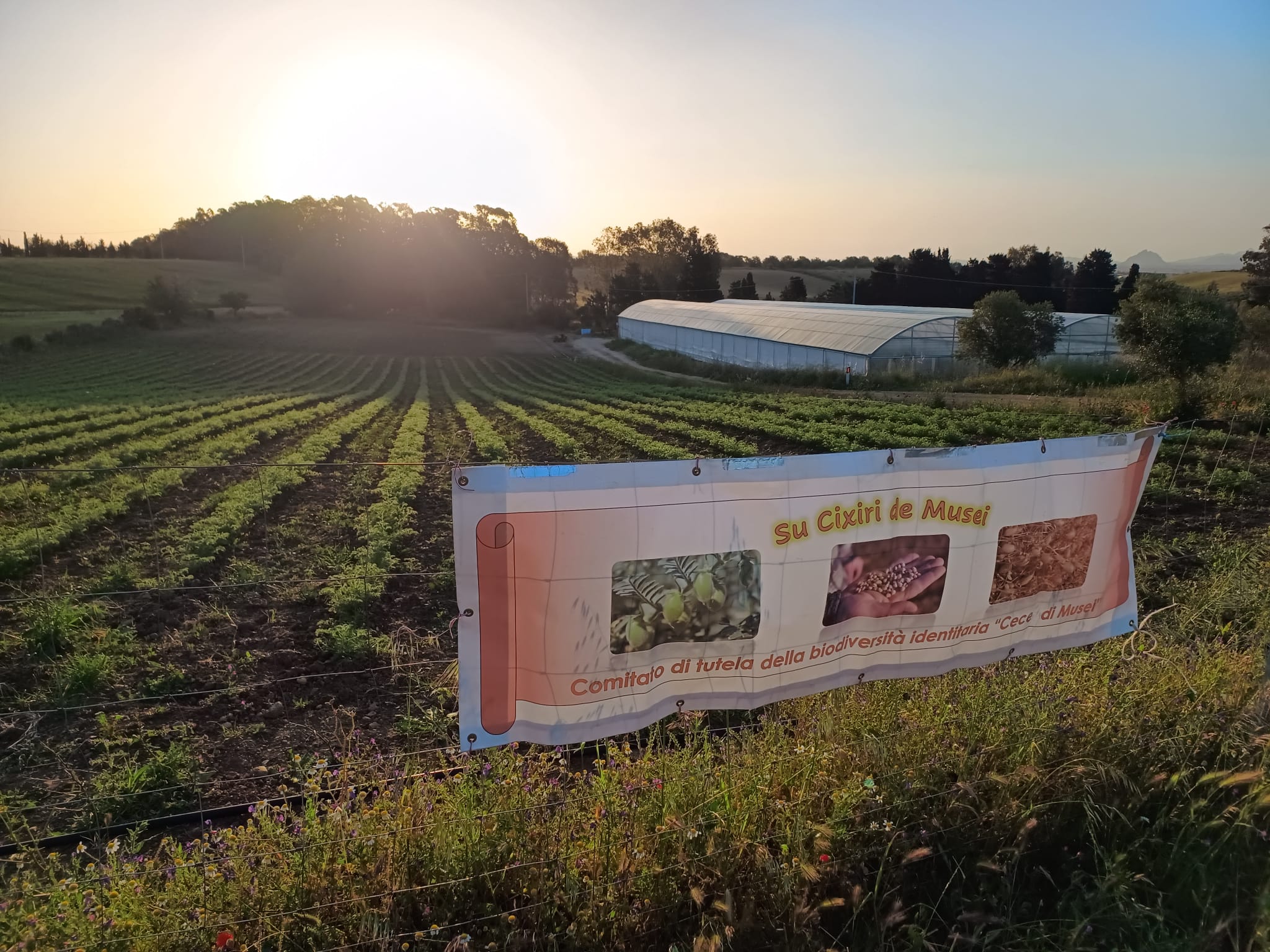
In this context, the preservation of agricultural biodiversity is particularly important. In Musei, several guardians work to safeguard local traditional legumes: Cocco Antonello, Pireddu Fulvio, and Secci Claudia protect the White-Flowered Chickpea of Musei; Portas Giovanni preserves both the White-Flowered and Purple-Flowered Chickpea of Musei; Franzina Simone Pietro and Pisano Doriano care for the White-Flowered Chickpea, the Purple-Flowered Chickpea, and the Black Lentil of Calasetta. Thanks to their dedication, these precious native legumes continue to be preserved and passed on to future generations, keeping Musei’s agricultural and cultural identity alive.

copertina-musei

Interactive map

Explore the trail and discover points of interest along the way

Back to top