Tipology:
Farmer
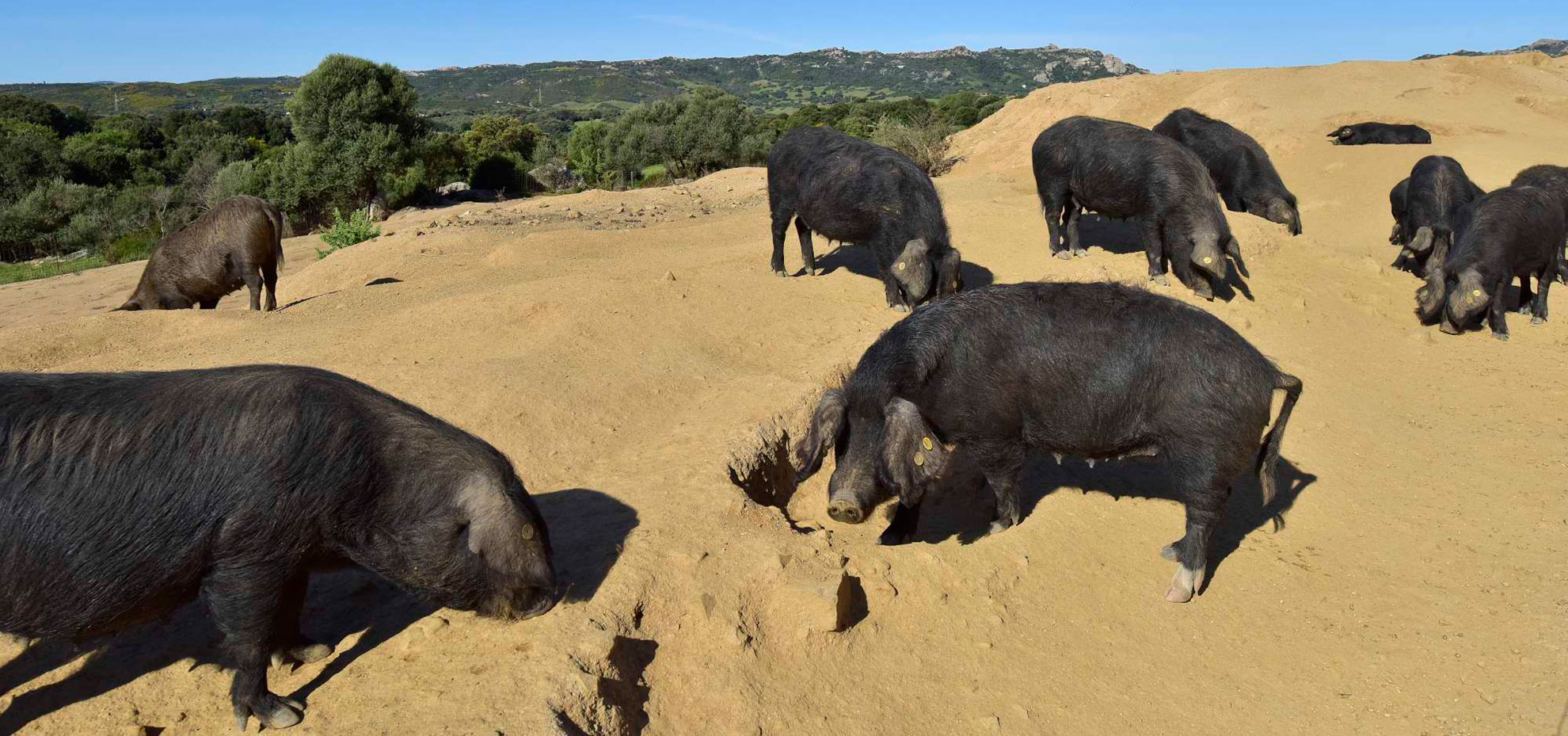
The Sardinian pig is a small native breed, originally from Sardinia. Rustic and resistant, it has morphological characteristics similar to those of the wild boar, with which it sometimes crosses paths. It lives mainly in the semi-wild state in the Mediterranean scrub and undergrowth, where it grazes freely adapting to the natural environment of the island.
For more information visit
www.biodiversitasardegna.it
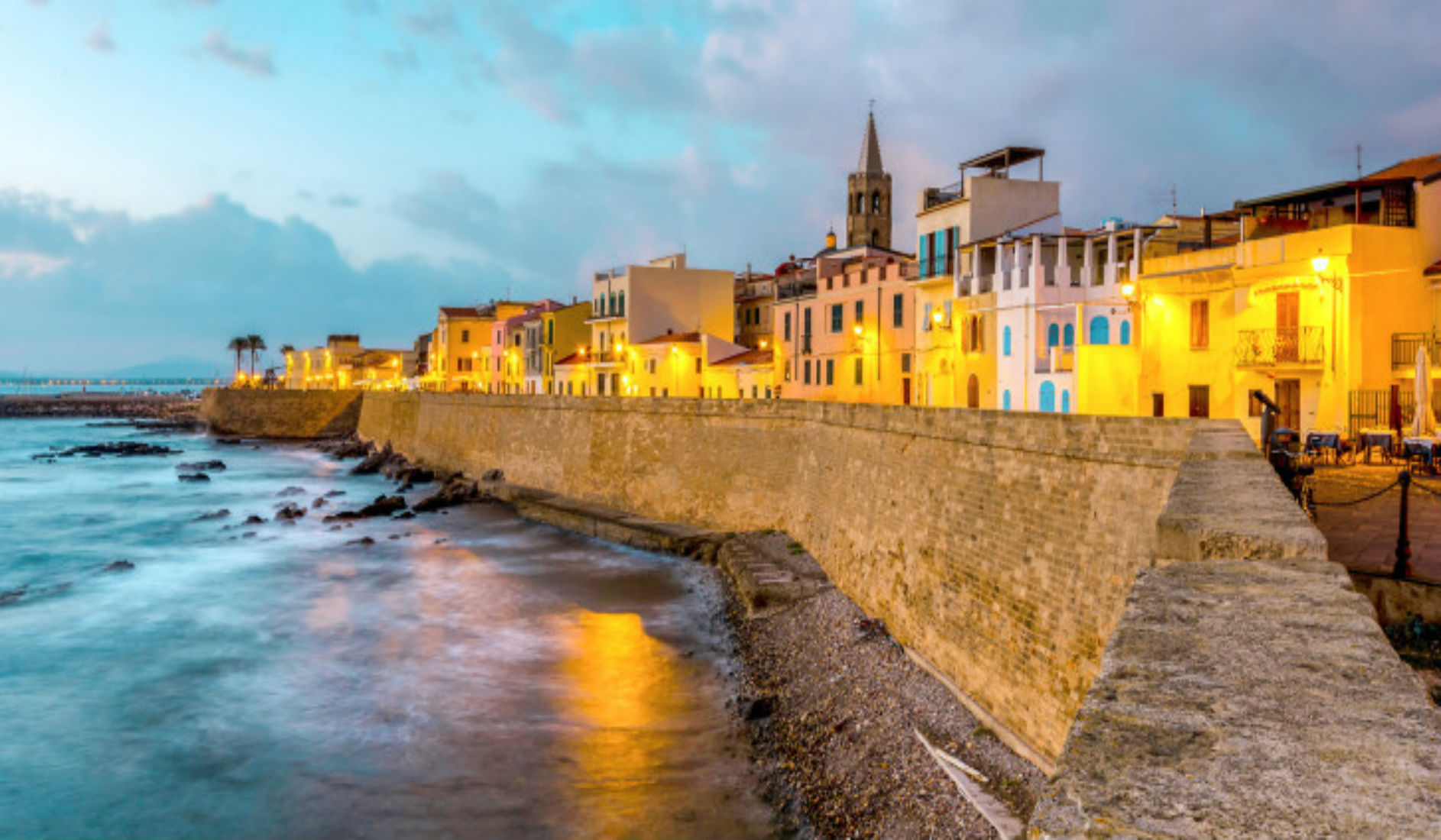
Alghero, the fifth-largest city in Sardinia with around 44,000 inhabitants, is one of the main gateways to the island thanks to Fertilia Airport. Overlooking the intensely colored sea, it charms visitors with its historic center surrounded by bastions, red rooftops, and panoramic seaside promenades. The coastline, about 90 km long and known as the Riviera del Corallo, hosts the most important colony of precious coral in the Mediterranean and beautiful beaches such as Le Bombarde, Lazzaretto, Mugoni, Lido di San Giovanni, and the Maria Pia dunes. Much of the coast is part of the Capo Caccia – Isola Piana Marine Protected Area, home to the famous Neptune’s Grotto.
The surrounding territory is enriched by the Porto Conte Park, an oasis of Mediterranean scrub, forests, and lagoons, as well as numerous archaeological sites, including domus de janas, necropolises, and nuraghi. The historic center retains a strong Catalan imprint, visible in its walls and religious buildings, such as Santa Maria Cathedral and the churches of San Michele and del Carmelo. The city is also a vibrant cultural hub, with sites like Casa Manno, the Coral Museum, and cherished traditions including the Catalan New Year and Holy Week rituals.
Alghero is home to important custodians of local agricultural and livestock biodiversity: Angelo Murineddu, custodian of the Sardinian pig, and Monica Carboni, who preserves various traditional varieties such as the Arrubia almond, Appiu apple, Faita Brent’e Monza bean, Cossu almond, Camusina pear of Sassari, Niedda almond, Pompìa citrus, and Seba Mitja Vermella onion, contributing to the safeguarding of a precious heritage that defines the identity of the territory.
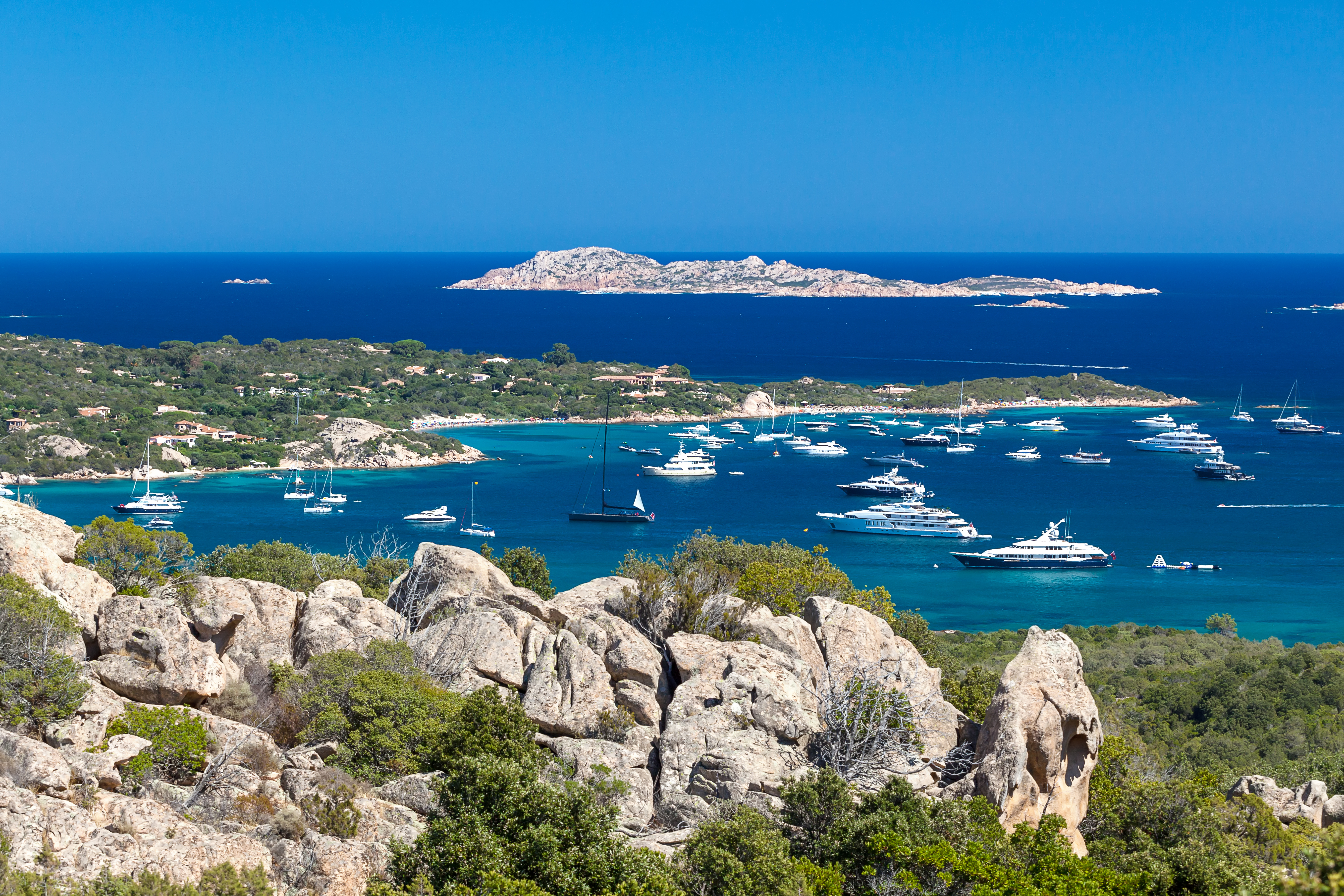
Arzachena is a town in Gallura, located about 25 kilometers from Olbia, characterized by a vast and varied territory that alternates between stunning beaches, vineyard-covered hills, striking granite landscapes, and significant archaeological sites. It has around 14,000 residents in the winter months, but an equivalent number of beds, reflecting its strong tourism vocation and steady demographic and economic growth.
The name Arzachena is closely linked to the Costa Smeralda, a symbol of elite tourism that emerged in the 1960s and became internationally renowned. Alongside luxury tourism, the local economy also relies on nautical activities, granite extraction—a distinctive element of the historic center’s architecture—and a solid wine tradition, particularly the production of Vermentino di Gallura.
From the small nucleus that grew around the Church of Santa Maria until the 17th century, the urban center has evolved into a harmonious combination of squares, pink granite and limestone facades, flowered corners, and green spaces animated by artisan workshops, boutiques, and local cafés. The municipal territory also includes historic Gallurese stazzi, often converted into agritourisms and B&Bs, and numerous hamlets such as Abbiadori, Baja Sardinia, Cannigione, Poltu Quatu, and Porto Cervo.
Within this rich and dynamic context, the protection of local biodiversity plays a key role. In Arzachena, several custodians safeguard traditional animal breeds and agricultural varieties: Santino Filippeddu, custodian of the Arrubia almond and Cossu; Santino Filippeddu also oversees the Sardo-Modicana cow, Sardinian donkey, and Sardinian pig; Luca Piasotti, protecting the Sardo-Modicana and Sardo-Bruna cows; Caterina Marchetti, custodian of the Sardinian donkey and the Asinara donkey; Pasqua Abeltino, safeguarding the Giara horse and Sardinian donkey; and Fabiola Pusceddu, custodian of the Sardinian pig. Thanks to their efforts, this invaluable heritage continues to be preserved and enhanced, maintaining Arzachena’s identity and cultural legacy.
Bonorva, in the heart of the Logudoro region in northwestern Sardinia, is a charming village about 50 kilometers from Sassari. Its name, probably derived from the Latin Bonus Orbis, meaning “good land,” reflects the area’s deep connection with nature and the fertility of the Campeda plateau, long dedicated to agriculture and pastoralism.
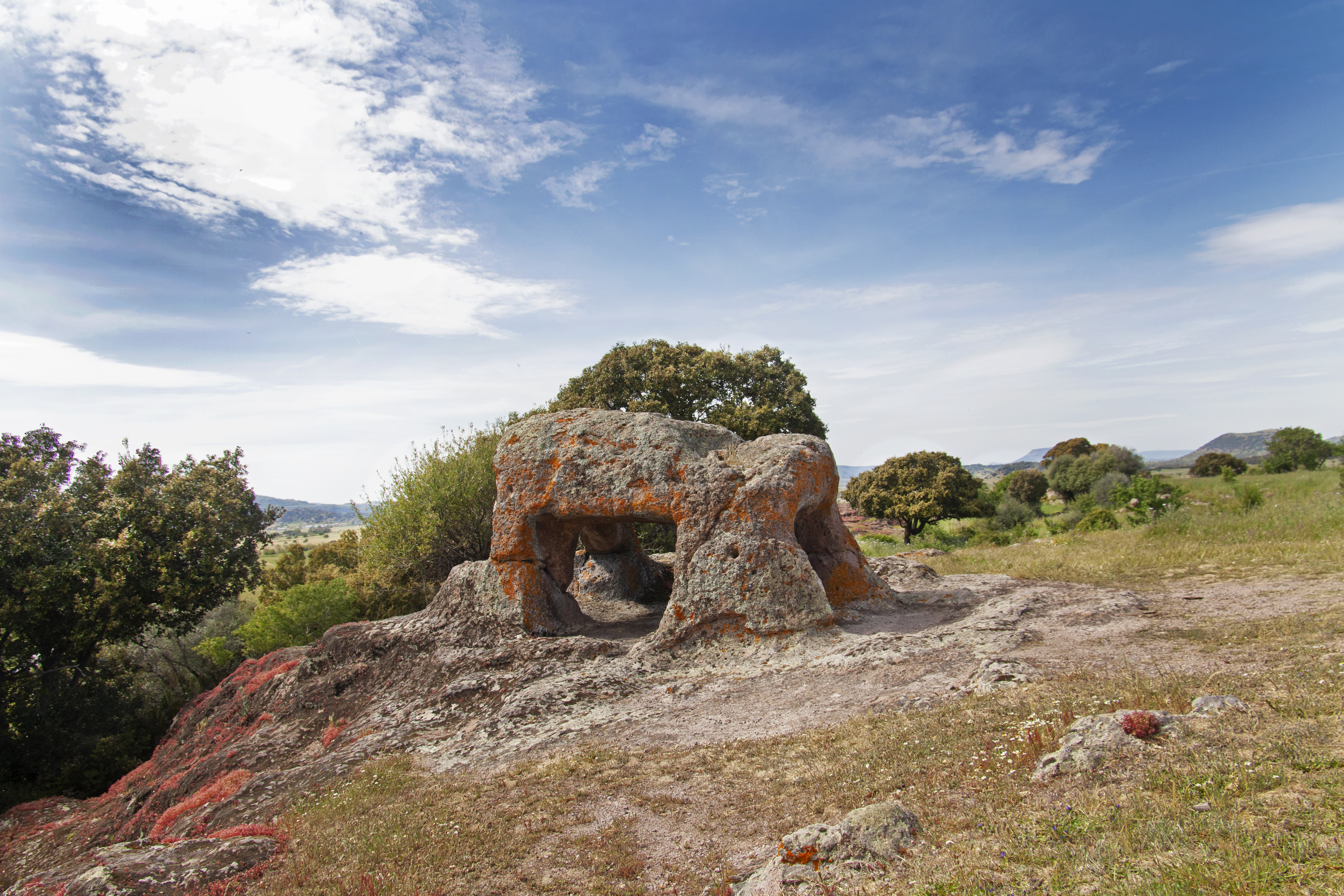
The town preserves extraordinary evidence of a past stretching back to prehistoric times, such as the Sant’Andrea Priu necropolis, one of the most important funerary complexes in Sardinia and the Mediterranean. Its domus de janas, rock-cut tombs, date back over 5,000 years. The historic center, with its narrow streets and panoramic views, is dominated by the Church of the Nativity of Mary, built between the 16th and 17th centuries, which houses altars and works of significant artistic value.
Bonorva is also a place where traditional craftsmanship remains alive, particularly textile art produced on horizontal looms, creating rugs and tapestries that reflect the cultural identity of the area. Surrounding the village is an authentic landscape of plateaus, nuraghi, ancient rock formations, and nature trails, perfect for hiking and quiet moments in the countryside.
In this context of close human-environment interaction, the preservation of local biodiversity plays an important role. In Bonorva, dedicated custodians safeguard valuable traditional breeds: Francesco Deriu, custodian of the Sardo-Bruna cow, and Maria Antonietta Cossu, custodian of the Sardinian pig. Thanks to their work and dedication, this important livestock heritage continues to be preserved, helping to maintain the rural and cultural identity of the area.