Tipology:
Farmer
Sebastiano Casti
Az. Agr. Casti Sebastiano
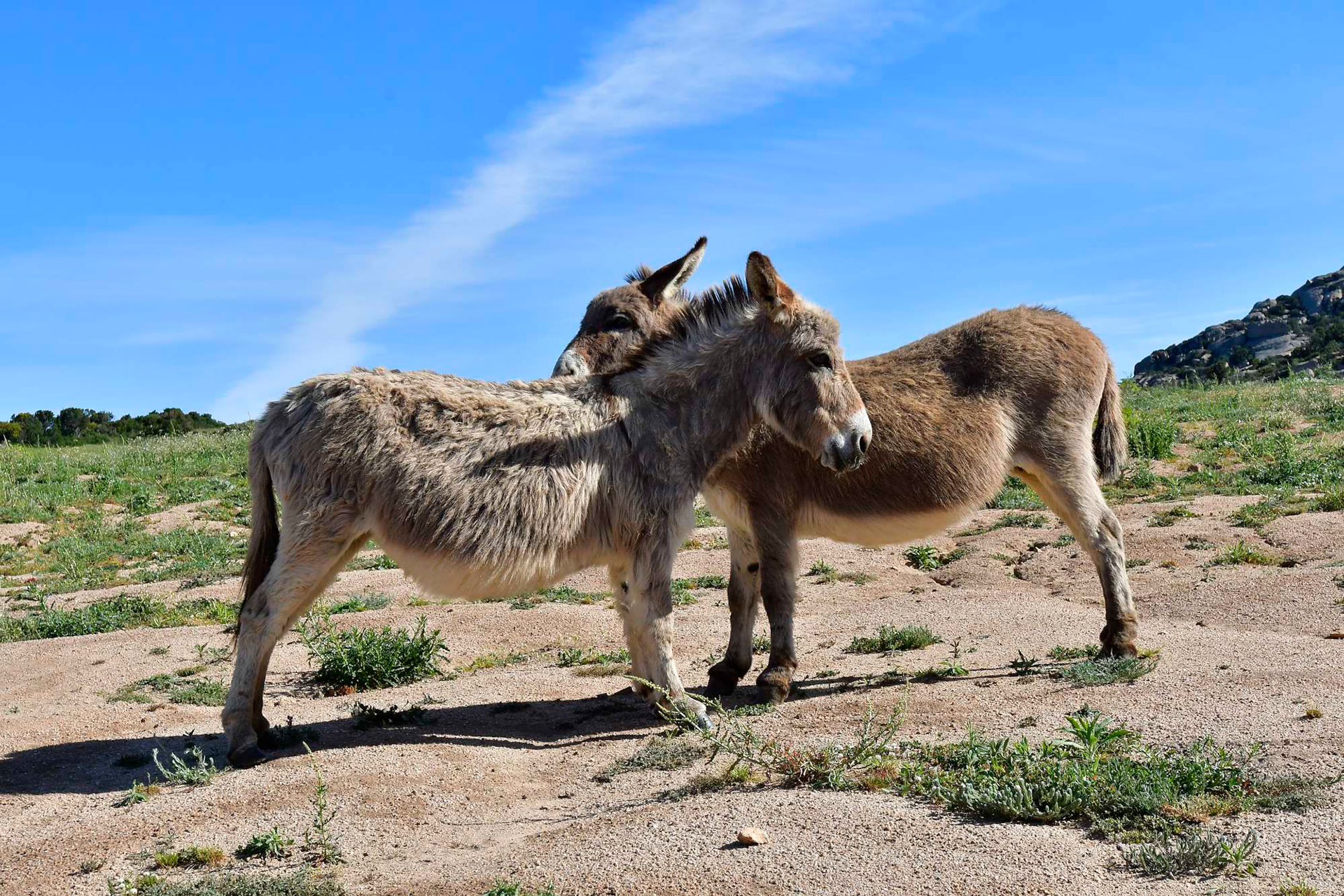
The Sardinian donkey is an indigenous breed with ancient origins, deeply linked to the history and culture of the island. Already bred in Sardinian-Punic times, it has been a valuable ally in agricultural activities and transport for centuries thanks to its small size, resistance and docility. With the advent of agricultural mechanization, its use is progressivelydiminished, leading to a sharp decline in the population.
For more information visit
www.biodiversitasardegna.it
Arbus is a territory with a name of uncertain origin, which could derive from the Latin albus, referring to the light color of the mountain rocks; from arburis, for the ancient abundance of trees; or from arabus, linked to barbarian invasions along its coasts. More certain and deeply rooted, however, is its artisanal tradition, particularly the crafting of curved-blade knives, the is arresoias arburesas, a symbol of manual skill and local identity.
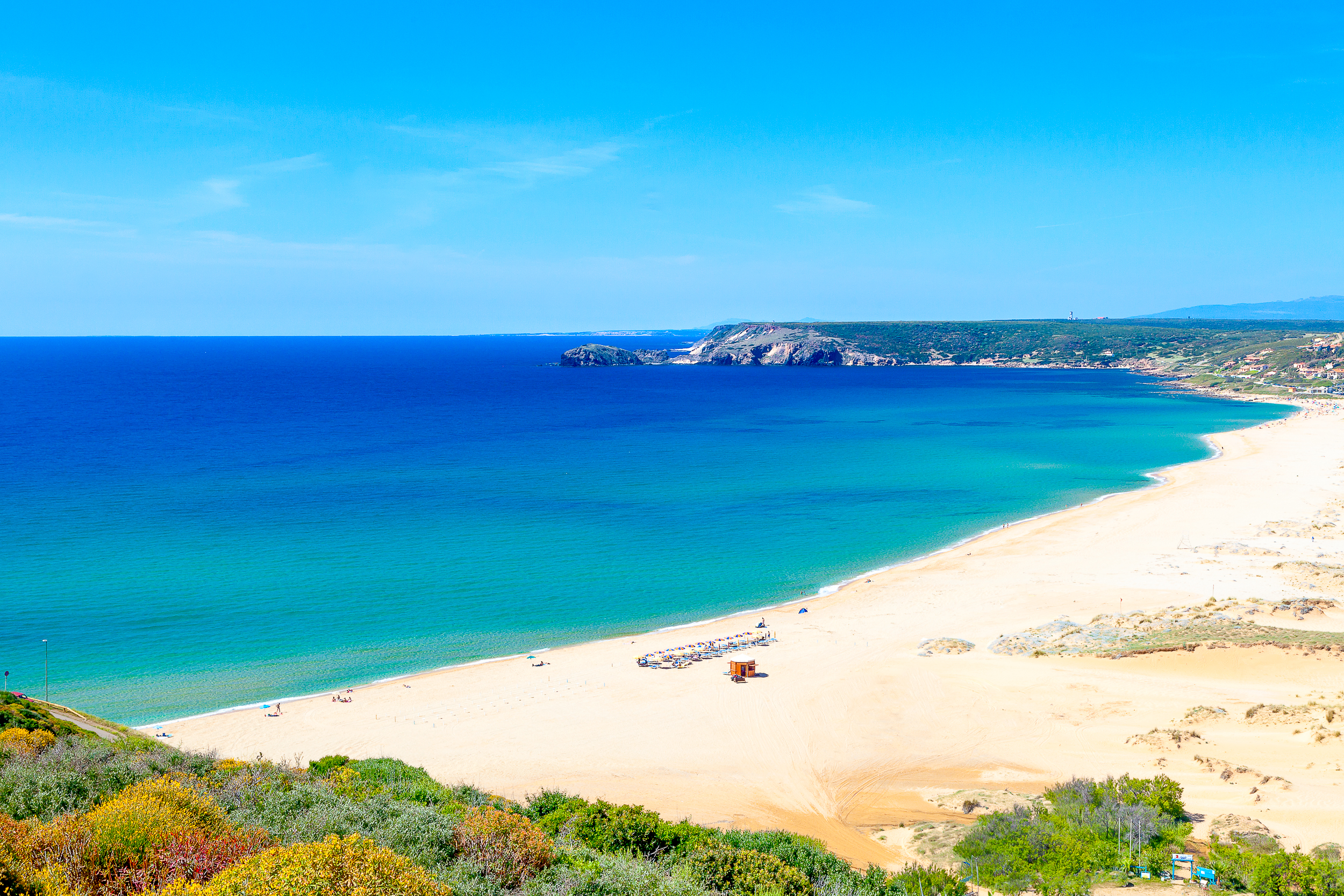
The municipality of Arbus covers one of the largest areas in Italy, second only in Sardinia to Sassari, occupying a vast territory in the central-southwest of the island. Its coastline stretches for about 47 kilometers and is among the most striking in Sardinia, alternating wide golden sand beaches, tall dunes shaped by the wind, and cliffs overlooking crystal-clear waters.
This coastal area is known as the Costa Verde, a wild and pristine landscape where some of the tallest dunes in Europe descend toward waters of intense azure and emerald green. Behind the sea, Mediterranean vegetation shaped by the mistral wind forms unique scenes, with centuries-old junipers bent close to the ground.
Arbus is a destination for those who love authentic, unconventional places, far from mass tourism, where hospitality is simple and genuine, deeply connected to Sardinian lifestyle and direct contact with nature. In this context, the presence of local biodiversity custodians plays a fundamental role: Atzeni Pietro, who safeguards the Sardo-Modicana cow, the Sardinian goat, and the Black sheep of Arbus; Schirru Monica and Schirru Roberto, custodians of the Sardo-Modicana cow; Casti Sebastiano for the Sardinian donkey; Lampis Mauro and Sandro, Saba Monica, Isu Paolo, and Dessì Ignazio, engaged in protecting the Black sheep of Arbus, with Saba Monica also active in safeguarding the Sardinian goat; and Pala Gabriella, custodian of the Sardinian goat. Thanks to their dedication, a valuable livestock heritage continues to live on, preserving and telling the deep identity of this territory.
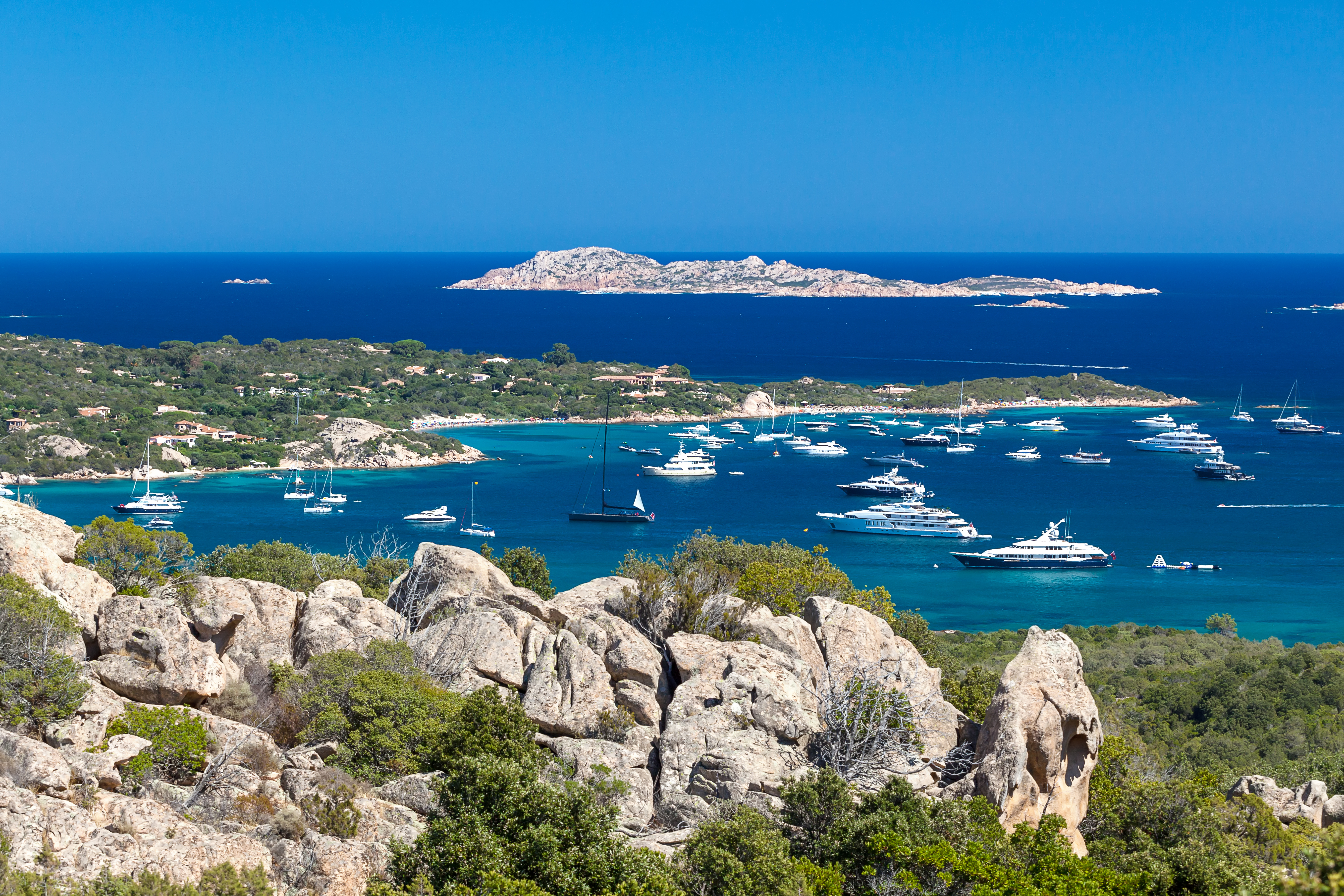
Arzachena is a town in Gallura, located about 25 kilometers from Olbia, characterized by a vast and varied territory that alternates between stunning beaches, vineyard-covered hills, striking granite landscapes, and significant archaeological sites. It has around 14,000 residents in the winter months, but an equivalent number of beds, reflecting its strong tourism vocation and steady demographic and economic growth.
The name Arzachena is closely linked to the Costa Smeralda, a symbol of elite tourism that emerged in the 1960s and became internationally renowned. Alongside luxury tourism, the local economy also relies on nautical activities, granite extraction—a distinctive element of the historic center’s architecture—and a solid wine tradition, particularly the production of Vermentino di Gallura.
From the small nucleus that grew around the Church of Santa Maria until the 17th century, the urban center has evolved into a harmonious combination of squares, pink granite and limestone facades, flowered corners, and green spaces animated by artisan workshops, boutiques, and local cafés. The municipal territory also includes historic Gallurese stazzi, often converted into agritourisms and B&Bs, and numerous hamlets such as Abbiadori, Baja Sardinia, Cannigione, Poltu Quatu, and Porto Cervo.
Within this rich and dynamic context, the protection of local biodiversity plays a key role. In Arzachena, several custodians safeguard traditional animal breeds and agricultural varieties: Santino Filippeddu, custodian of the Arrubia almond and Cossu; Santino Filippeddu also oversees the Sardo-Modicana cow, Sardinian donkey, and Sardinian pig; Luca Piasotti, protecting the Sardo-Modicana and Sardo-Bruna cows; Caterina Marchetti, custodian of the Sardinian donkey and the Asinara donkey; Pasqua Abeltino, safeguarding the Giara horse and Sardinian donkey; and Fabiola Pusceddu, custodian of the Sardinian pig. Thanks to their efforts, this invaluable heritage continues to be preserved and enhanced, maintaining Arzachena’s identity and cultural legacy.
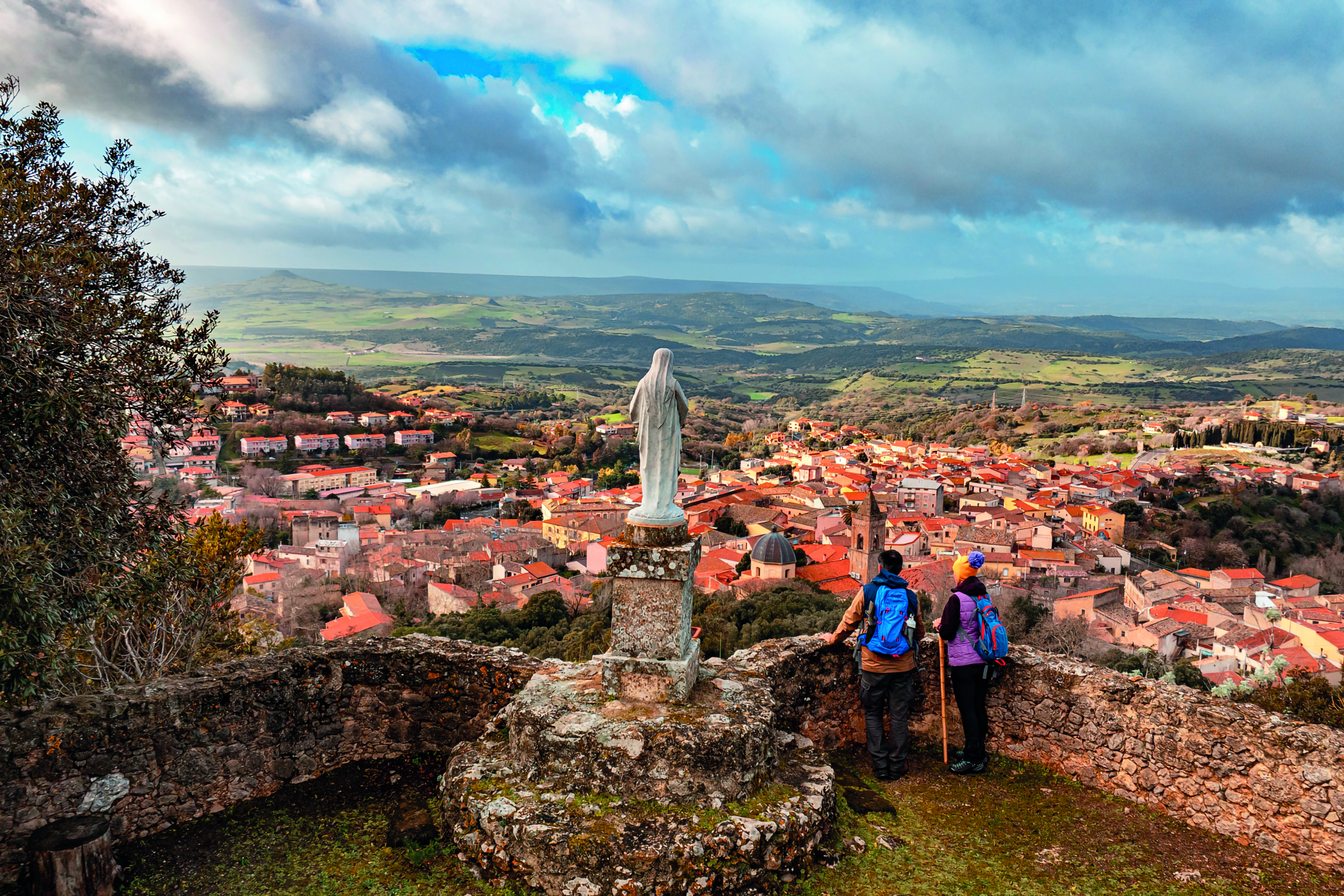
Laconi is a picturesque inland village in Sardinia, located in the historic region of Sarcidano at the foot of the Gennargentu massif. Nestled in a landscape of hills, forests, and natural springs, it is known for its green and peaceful character—ideal for those wishing to discover a Sardinia far from the sea but rich in charm, history, and spirituality.
At the heart of the village lies Parco Aymerich, one of Sardinia’s most beautiful historic gardens. Covering over twenty hectares, it features centuries-old holm oaks, exotic plants, streams, waterfalls, and paths leading to the ruins of a medieval castle, offering an immersive experience in both nature and historic landscape.
Laconi is deeply connected to Saint Ignatius of Laconi, one of the island’s most venerated saints, born here in the 18th century. The sanctuary and other sites dedicated to him attract numerous pilgrims every year, making Laconi an important center for religious tourism. The historic center retains an authentic atmosphere, with stone houses, quiet streets, and notable churches, while the surrounding territory is rich in ancient archaeological evidence.
Alongside its natural and cultural heritage, Laconi plays an important role in biodiversity conservation. Local guardians work to preserve native animal breeds: Ignazio Cogoni, breeder and custodian of the Sardinian cow and the Sardo-Bruna cow, and Claudia Cogoni, guardian of the Sardinian donkey. Their work helps safeguard a valuable genetic heritage and keeps alive the agro-pastoral traditions that form a fundamental part of the local identity.
Lotzorai is a small and charming municipality in central-eastern Sardinia, situated between the crystal-clear waters of Ogliastra and the first foothills of the inland mountains. The territory, flat and fertile, stretches from the mouth of the Rio Pramaera to a low, sandy coastline, characterized by wide beaches and gently sloping seabeds—ideal for families and anyone who enjoys spending time in nature.
Lotzorai’s coastline is among the most accessible in Ogliastra, offering stunning views of the Ogliastra islet and the high limestone cliffs that close the horizon to the south. The beaches, less crowded than those in more well-known locations, maintain a peaceful and authentic atmosphere, perfect for those seeking a simple and genuine seaside experience.
Behind the coast lies an agricultural landscape of vineyards, orchards, and citrus groves, reflecting the village’s rural vocation. The town center, compact and orderly, retains a discreet character, with quiet squares and a strong sense of community. The surrounding area preserves important archaeological traces, including nuraghi and remains of ancient settlements, bearing witness to millennia of human presence.
In this context of strong connection to the land and local traditions, the preservation of animal biodiversity is particularly important. In Lotzorai, Monica Arzu works as a guardian of the Sardinian Donkey, dedicated to protecting this native breed. Thanks to her efforts, a precious genetic and cultural heritage is preserved, helping to maintain the rural and agricultural identity of the territory and pass on an authentic, deeply rooted tradition to future generations.