Tipology:
Farmer
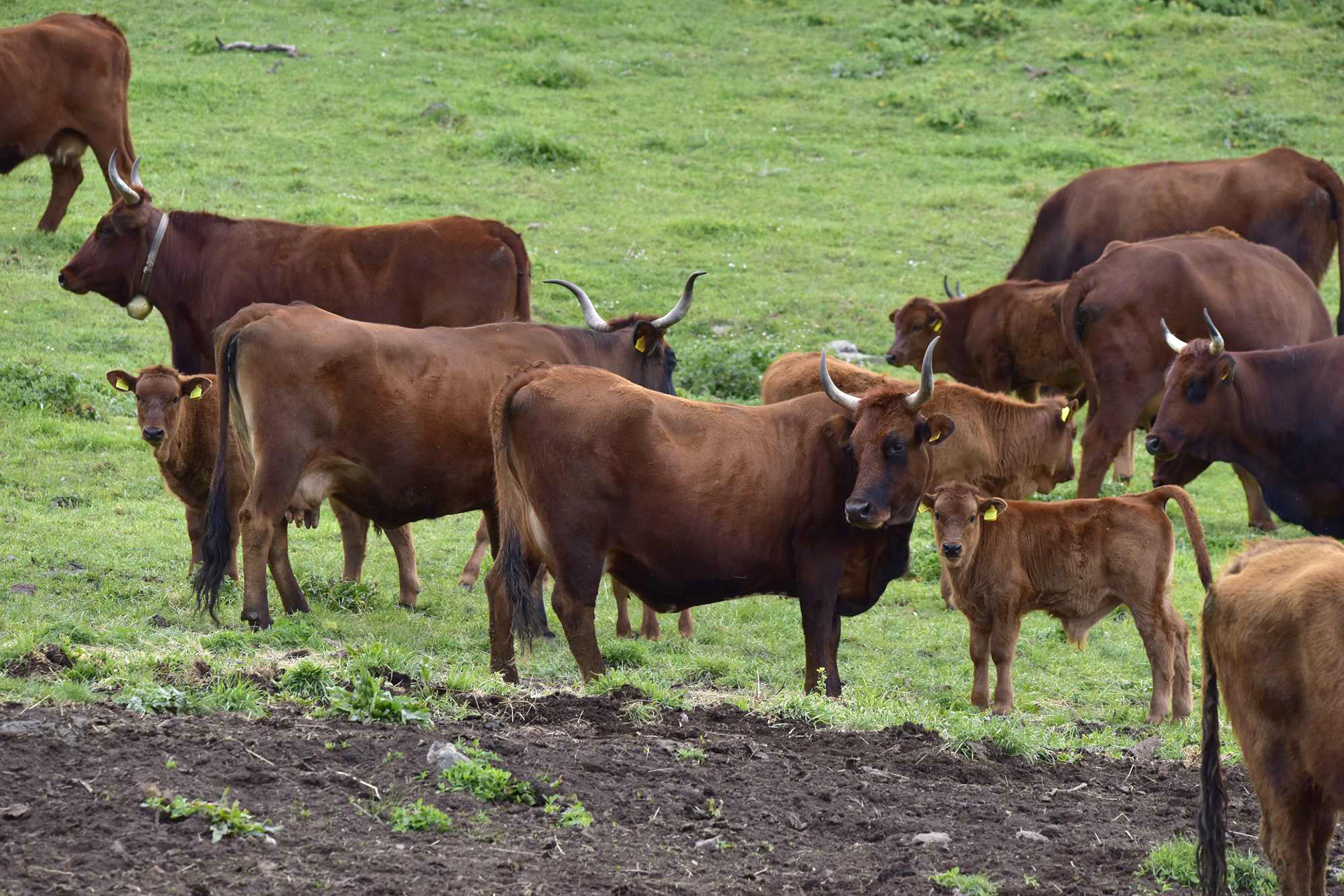
The Sardinian-Modican cow is a bovine breed originated from the cross between Modican bulls and cows of the native population of southern Sardinia. The result of selective interbreeding, it combines characteristics of rusticity and adaptation to the territory, representing an important livestock heritage of the island.
For more information visit
www.biodiversitasardegna.it
Arbus is a territory with a name of uncertain origin, which could derive from the Latin albus, referring to the light color of the mountain rocks; from arburis, for the ancient abundance of trees; or from arabus, linked to barbarian invasions along its coasts. More certain and deeply rooted, however, is its artisanal tradition, particularly the crafting of curved-blade knives, the is arresoias arburesas, a symbol of manual skill and local identity.
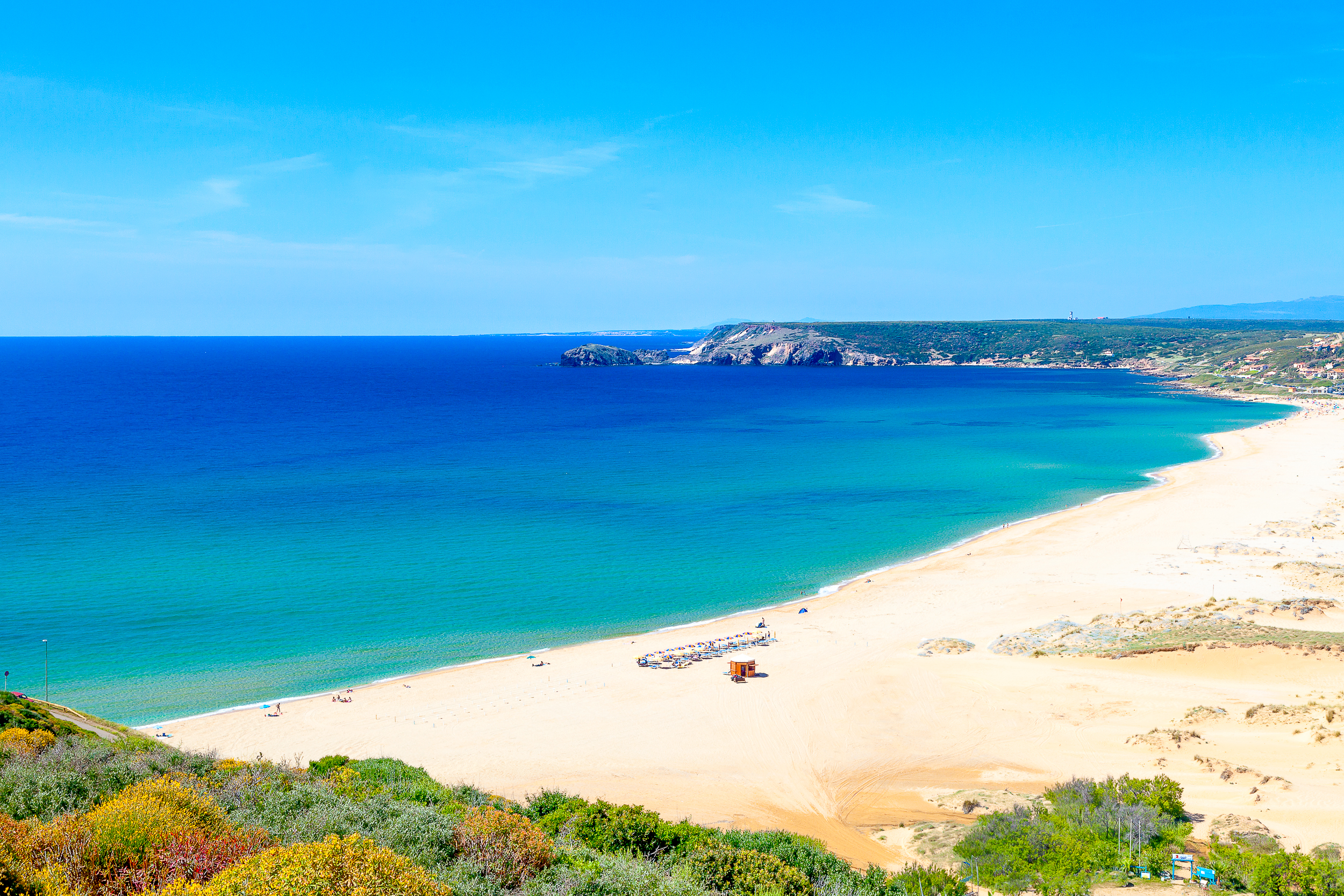
The municipality of Arbus covers one of the largest areas in Italy, second only in Sardinia to Sassari, occupying a vast territory in the central-southwest of the island. Its coastline stretches for about 47 kilometers and is among the most striking in Sardinia, alternating wide golden sand beaches, tall dunes shaped by the wind, and cliffs overlooking crystal-clear waters.
This coastal area is known as the Costa Verde, a wild and pristine landscape where some of the tallest dunes in Europe descend toward waters of intense azure and emerald green. Behind the sea, Mediterranean vegetation shaped by the mistral wind forms unique scenes, with centuries-old junipers bent close to the ground.
Arbus is a destination for those who love authentic, unconventional places, far from mass tourism, where hospitality is simple and genuine, deeply connected to Sardinian lifestyle and direct contact with nature. In this context, the presence of local biodiversity custodians plays a fundamental role: Atzeni Pietro, who safeguards the Sardo-Modicana cow, the Sardinian goat, and the Black sheep of Arbus; Schirru Monica and Schirru Roberto, custodians of the Sardo-Modicana cow; Casti Sebastiano for the Sardinian donkey; Lampis Mauro and Sandro, Saba Monica, Isu Paolo, and Dessì Ignazio, engaged in protecting the Black sheep of Arbus, with Saba Monica also active in safeguarding the Sardinian goat; and Pala Gabriella, custodian of the Sardinian goat. Thanks to their dedication, a valuable livestock heritage continues to live on, preserving and telling the deep identity of this territory.
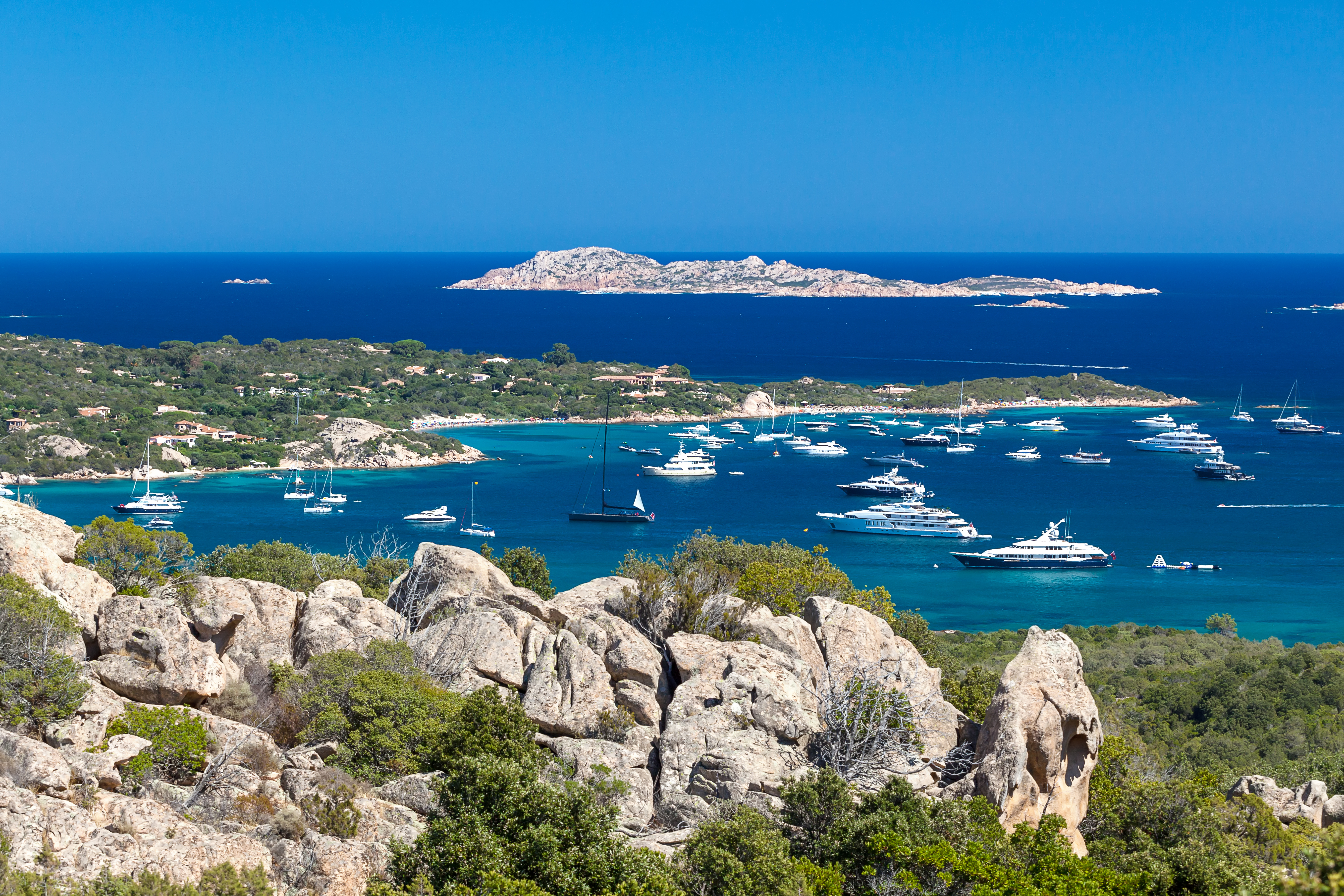
Arzachena is a town in Gallura, located about 25 kilometers from Olbia, characterized by a vast and varied territory that alternates between stunning beaches, vineyard-covered hills, striking granite landscapes, and significant archaeological sites. It has around 14,000 residents in the winter months, but an equivalent number of beds, reflecting its strong tourism vocation and steady demographic and economic growth.
The name Arzachena is closely linked to the Costa Smeralda, a symbol of elite tourism that emerged in the 1960s and became internationally renowned. Alongside luxury tourism, the local economy also relies on nautical activities, granite extraction—a distinctive element of the historic center’s architecture—and a solid wine tradition, particularly the production of Vermentino di Gallura.
From the small nucleus that grew around the Church of Santa Maria until the 17th century, the urban center has evolved into a harmonious combination of squares, pink granite and limestone facades, flowered corners, and green spaces animated by artisan workshops, boutiques, and local cafés. The municipal territory also includes historic Gallurese stazzi, often converted into agritourisms and B&Bs, and numerous hamlets such as Abbiadori, Baja Sardinia, Cannigione, Poltu Quatu, and Porto Cervo.
Within this rich and dynamic context, the protection of local biodiversity plays a key role. In Arzachena, several custodians safeguard traditional animal breeds and agricultural varieties: Santino Filippeddu, custodian of the Arrubia almond and Cossu; Santino Filippeddu also oversees the Sardo-Modicana cow, Sardinian donkey, and Sardinian pig; Luca Piasotti, protecting the Sardo-Modicana and Sardo-Bruna cows; Caterina Marchetti, custodian of the Sardinian donkey and the Asinara donkey; Pasqua Abeltino, safeguarding the Giara horse and Sardinian donkey; and Fabiola Pusceddu, custodian of the Sardinian pig. Thanks to their efforts, this invaluable heritage continues to be preserved and enhanced, maintaining Arzachena’s identity and cultural legacy.
Bonorva, in the heart of the Logudoro region in northwestern Sardinia, is a charming village about 50 kilometers from Sassari. Its name, probably derived from the Latin Bonus Orbis, meaning “good land,” reflects the area’s deep connection with nature and the fertility of the Campeda plateau, long dedicated to agriculture and pastoralism.
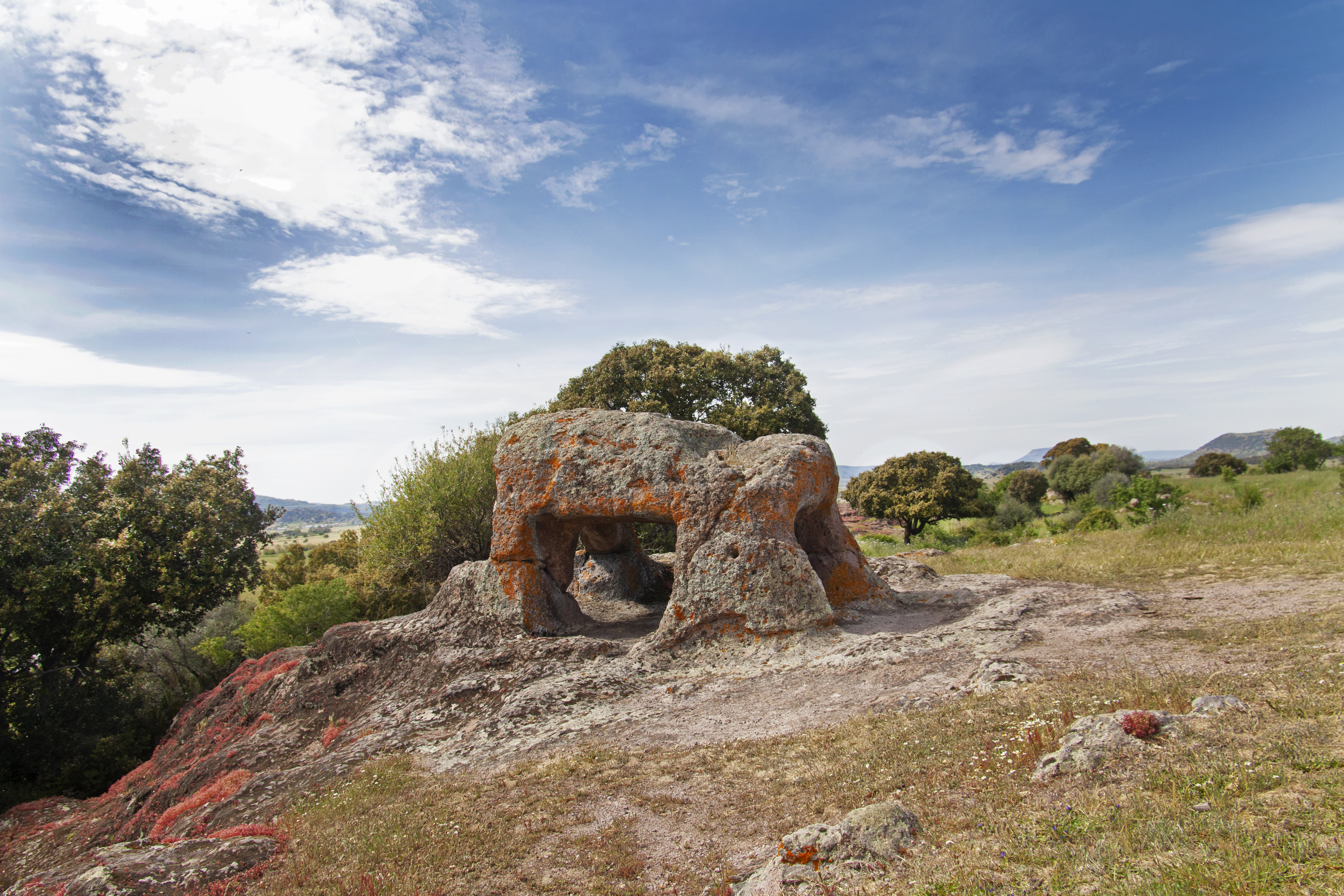
The town preserves extraordinary evidence of a past stretching back to prehistoric times, such as the Sant’Andrea Priu necropolis, one of the most important funerary complexes in Sardinia and the Mediterranean. Its domus de janas, rock-cut tombs, date back over 5,000 years. The historic center, with its narrow streets and panoramic views, is dominated by the Church of the Nativity of Mary, built between the 16th and 17th centuries, which houses altars and works of significant artistic value.
Bonorva is also a place where traditional craftsmanship remains alive, particularly textile art produced on horizontal looms, creating rugs and tapestries that reflect the cultural identity of the area. Surrounding the village is an authentic landscape of plateaus, nuraghi, ancient rock formations, and nature trails, perfect for hiking and quiet moments in the countryside.
In this context of close human-environment interaction, the preservation of local biodiversity plays an important role. In Bonorva, dedicated custodians safeguard valuable traditional breeds: Francesco Deriu, custodian of the Sardo-Bruna cow, and Maria Antonietta Cossu, custodian of the Sardinian pig. Thanks to their work and dedication, this important livestock heritage continues to be preserved, helping to maintain the rural and cultural identity of the area.