alt text
Cammino

Santu Jacu Pilgrimage

A historical and devotional Sardinian route inspired by Saint James the Greater, crossing the entire island from south to north and connecting villages, rural paths, history, and unspoiled landscapes.

Itinerary

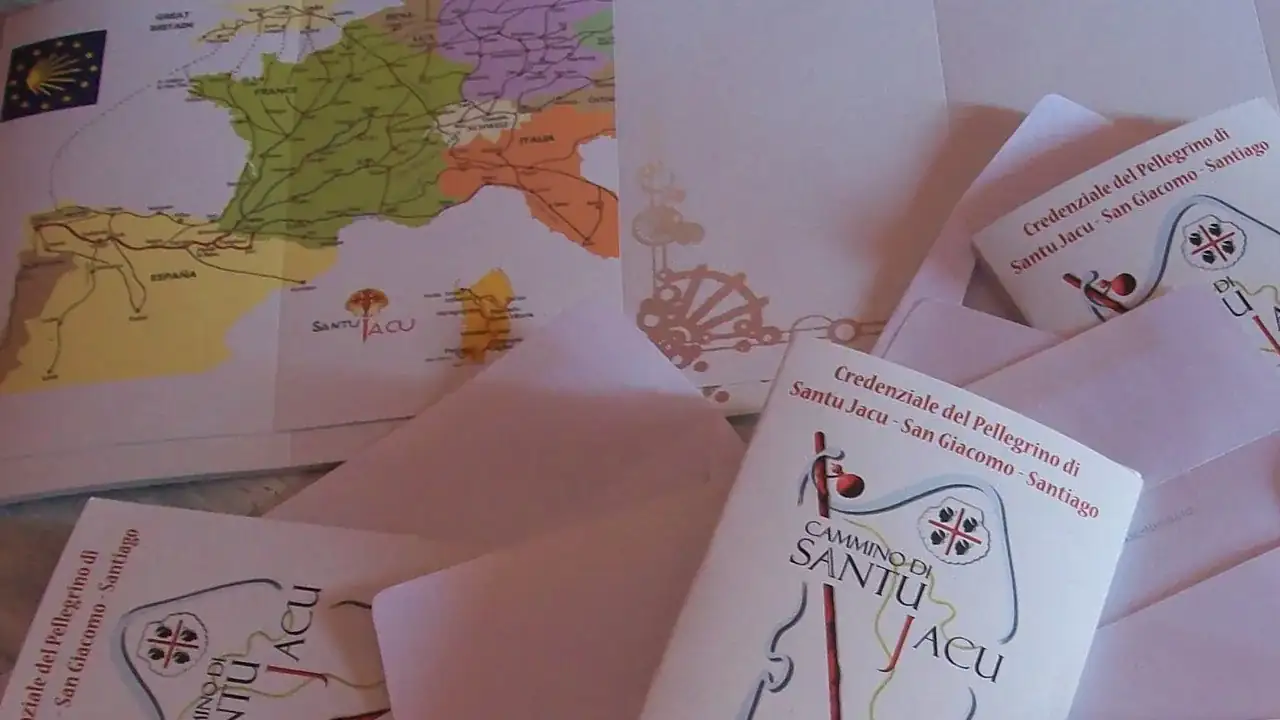
The Santu Jacu Pilgrimage is Sardinia’s equivalent of the Camino de Santiago: a route that traverses the entire island, connecting churches, villages, and sites dedicated to Saint James. It follows ancient roads and pilgrimage paths, crossing countryside, hills, mountainous areas, and historic town centers.

It is a long and varied journey that allows travelers to discover Sardinia in its full geographical and cultural diversity. Walking the Santu Jacu route means passing through less touristy areas, encountering authentic communities, and experiencing a journey that is at once physical, cultural, and spiritual. Pilgrims can choose to complete the entire route or a shorter section, depending on the variant selected (Central Axis, Southwest Variant, North Variant, West Variant) and their walking preferences.

Technical information

Departure:
Cagliari
Arrival:
Porto Torres - Orosei
Days:
15-25
Km:
1600.00

Path's points of interest

Discover the municipalities you will encounter along your journey with everything they have to offer.

Tipology:
Point of interest

Assemini

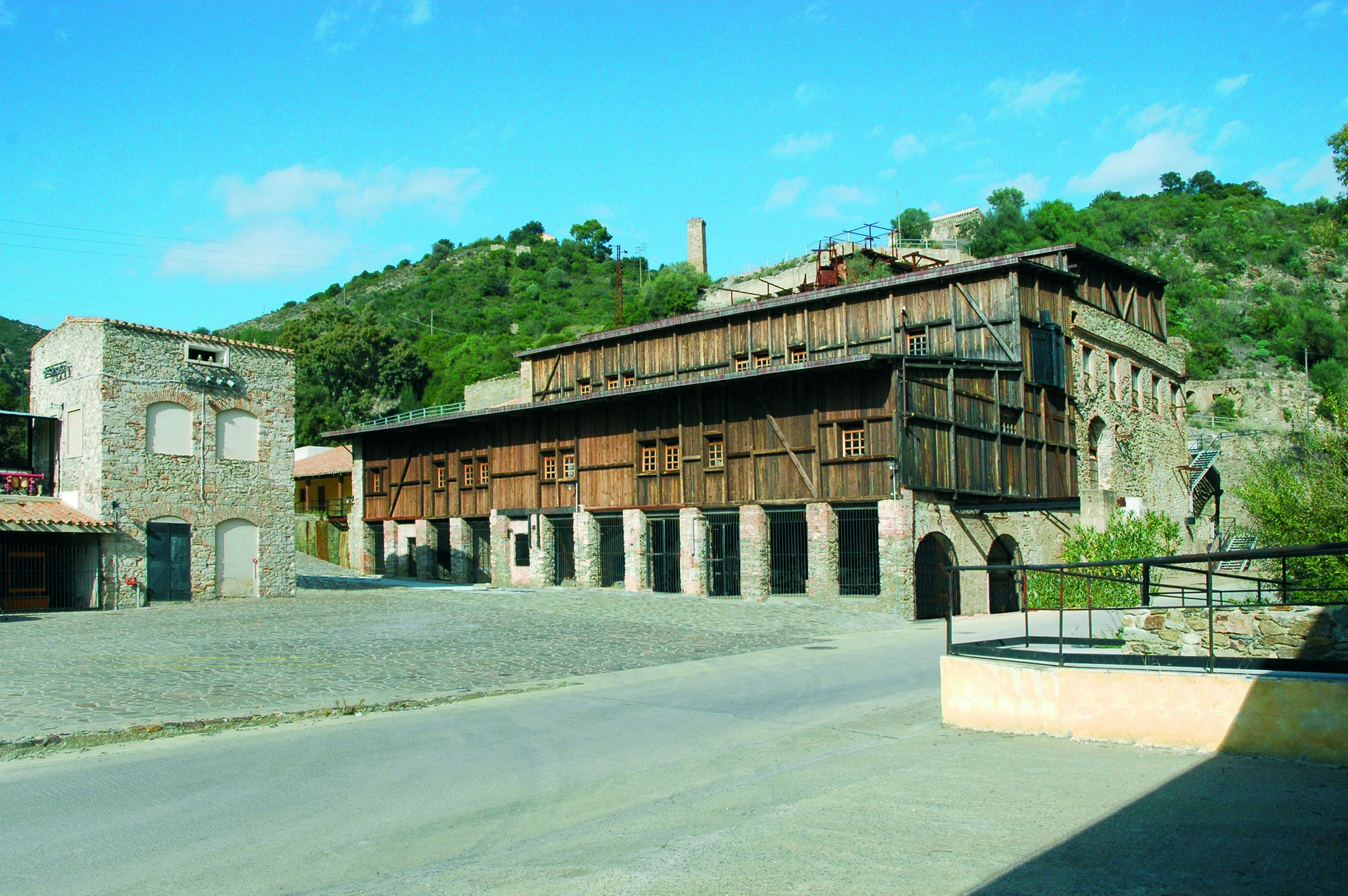
Assemini is a charming town located just 12 kilometers from Cagliari, nestled in the fertile plain crossed by the Cixerri, Flumini Mannu, and Sa Nuxedda rivers. With around 25,500 inhabitants, it offers a harmonious blend of history, nature, and craftsmanship, providing visitors with an authentic and welcoming environment.

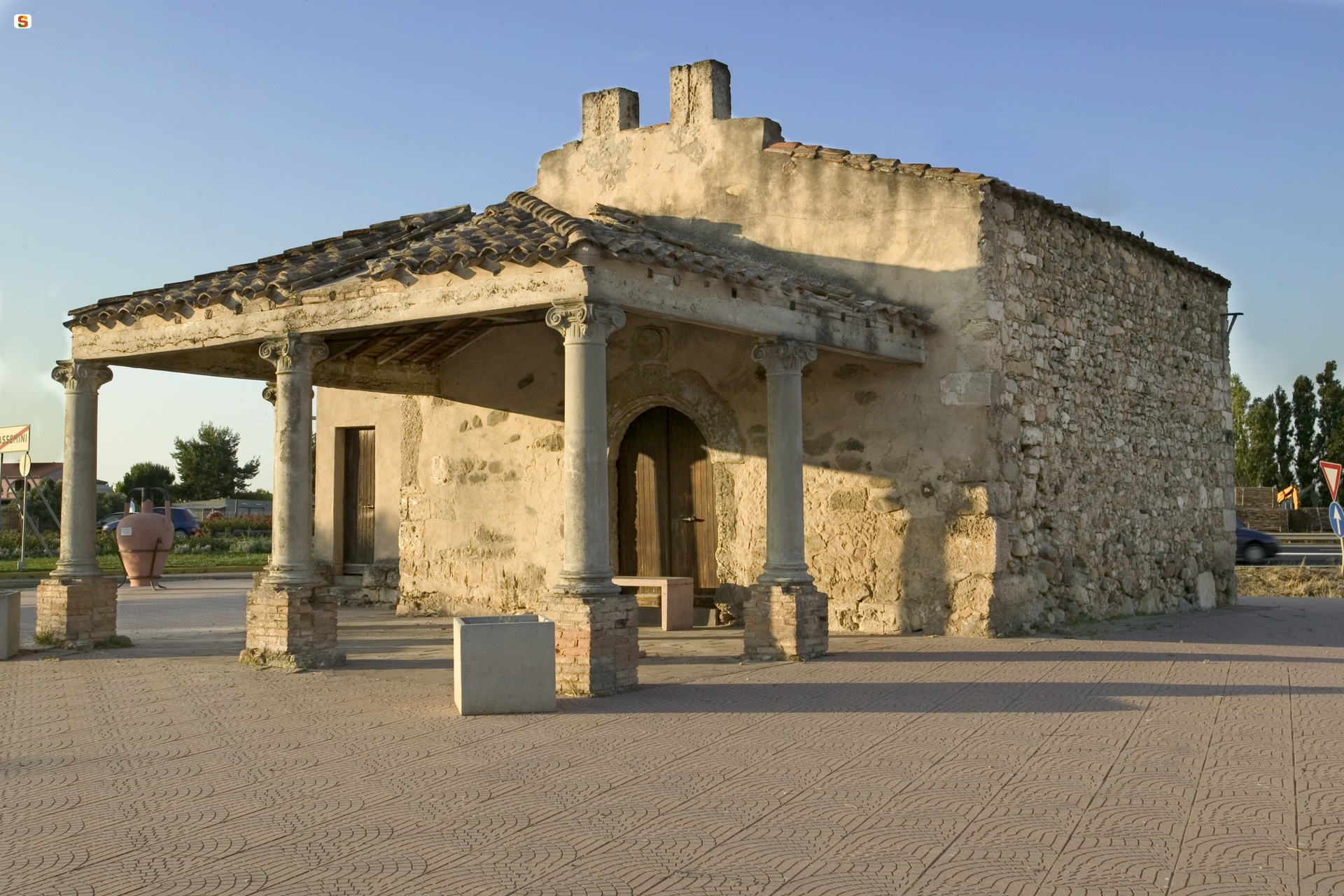
The historic center preserves valuable examples of traditional architecture, such as Campidanese houses built in ladiri—sun-dried clay and straw bricks—and small squares that tell centuries of community life. Notable religious buildings include the Church of San Giovanni Battista, of Byzantine origin with a Greek-cross plan, and the Parish Church of San Pietro, rebuilt in the 16th century in the Gothic-Catalan style. Strolling through the streets allows visitors to connect with a living history deeply rooted in local traditions.

Assemini is renowned throughout Sardinia for its ancient ceramic tradition, dating back to Carthaginian times and still maintained today by numerous workshops and artisan studios. This craft is one of the town’s cultural symbols, reflecting creativity, skill, and cultural continuity.

In addition to its historical and artistic heritage, the area offers important natural environments, such as the Santa Gilla Lagoon, a sanctuary for flamingos and other bird species, and the Gutturu Mannu Regional Natural Park, with forests and trails immersed in greenery. In this context of close connection to the land, the preservation of local agricultural biodiversity is also highly valued. In Assemini, Maria Carmela Deidda serves as custodian of the Camusina pear of Vallermosa and the Figu Niedda de Chia fig, traditional varieties that represent a precious agricultural heritage and help maintain the rural identity of the territory.
assemini-copertina
Tipology:
Point of interest

Bonorva

Bonorva, in the heart of the Logudoro region in northwestern Sardinia, is a charming village about 50 kilometers from Sassari. Its name, probably derived from the Latin Bonus Orbis, meaning “good land,” reflects the area’s deep connection with nature and the fertility of the Campeda plateau, long dedicated to agriculture and pastoralism.

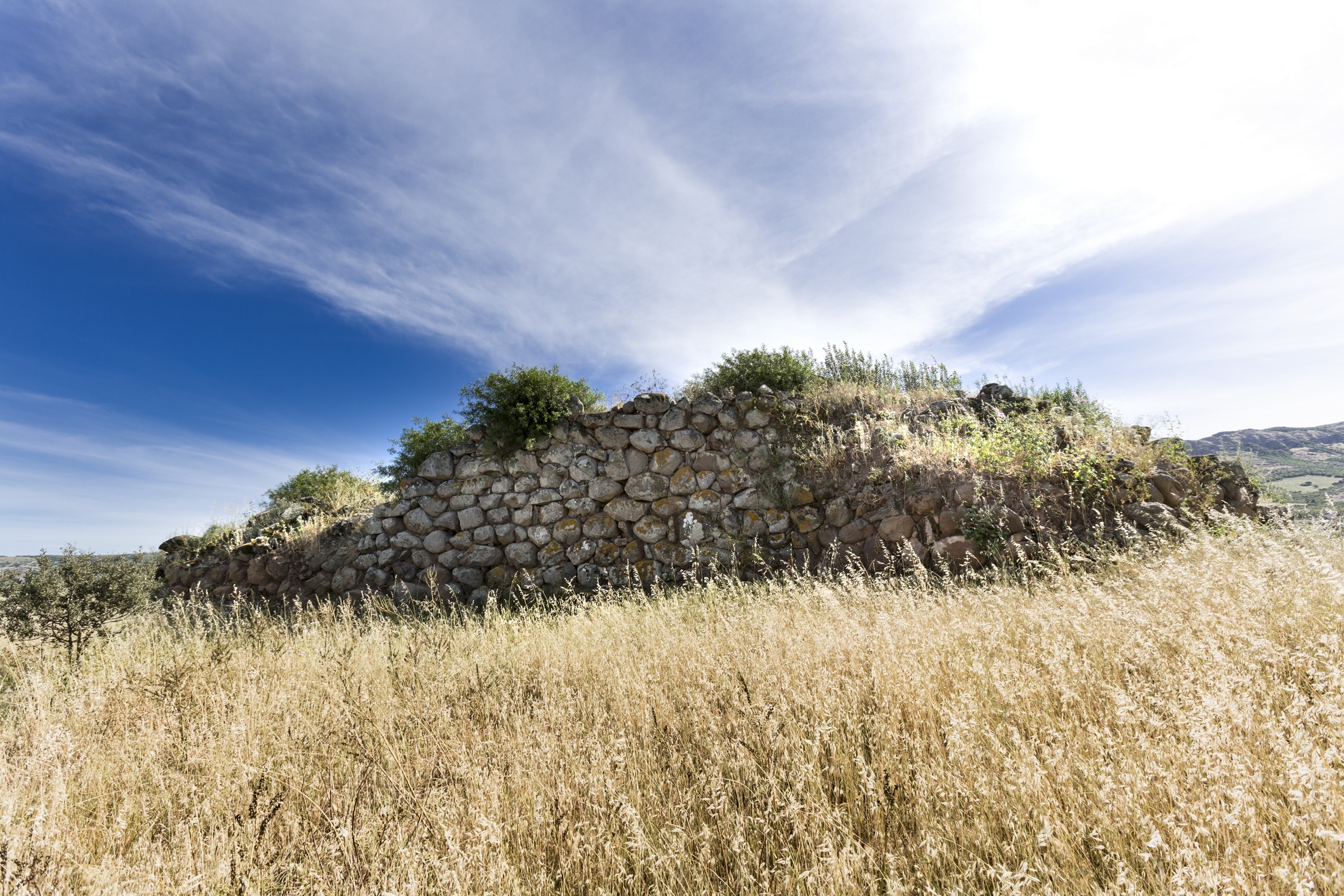
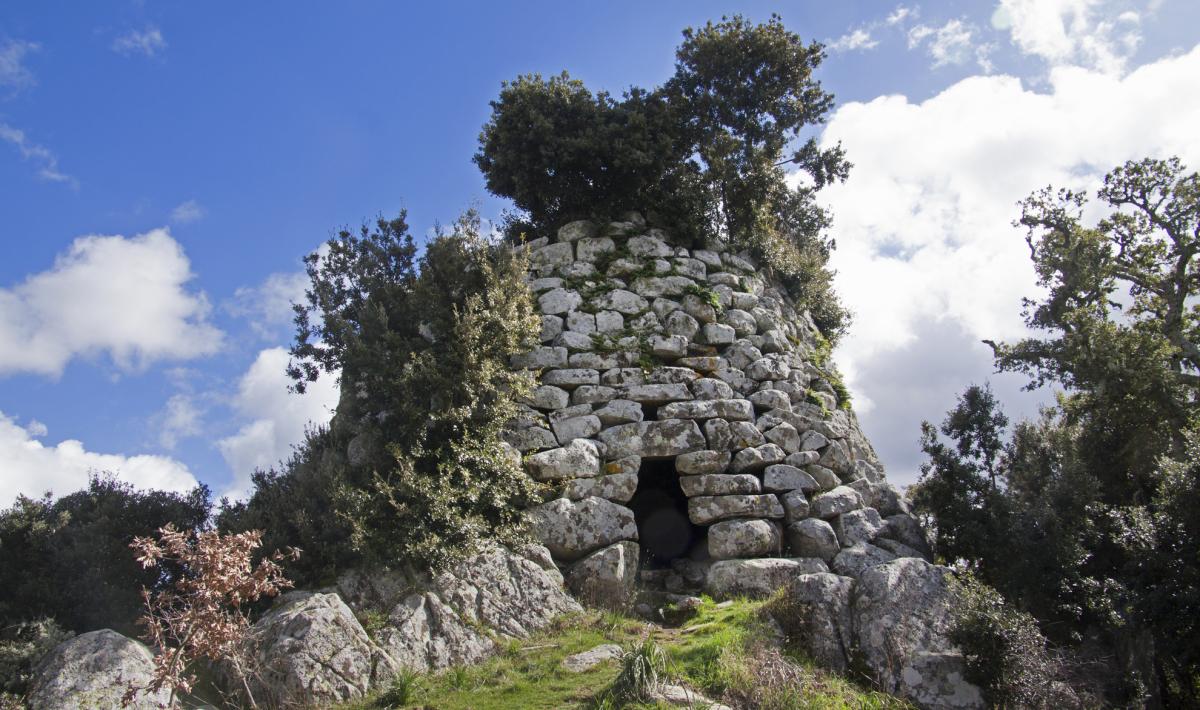
The town preserves extraordinary evidence of a past stretching back to prehistoric times, such as the Sant’Andrea Priu necropolis, one of the most important funerary complexes in Sardinia and the Mediterranean. Its domus de janas, rock-cut tombs, date back over 5,000 years. The historic center, with its narrow streets and panoramic views, is dominated by the Church of the Nativity of Mary, built between the 16th and 17th centuries, which houses altars and works of significant artistic value.

Bonorva is also a place where traditional craftsmanship remains alive, particularly textile art produced on horizontal looms, creating rugs and tapestries that reflect the cultural identity of the area. Surrounding the village is an authentic landscape of plateaus, nuraghi, ancient rock formations, and nature trails, perfect for hiking and quiet moments in the countryside.

In this context of close human-environment interaction, the preservation of local biodiversity plays an important role. In Bonorva, dedicated custodians safeguard valuable traditional breeds: Francesco Deriu, custodian of the Sardo-Bruna cow, and Maria Antonietta Cossu, custodian of the Sardinian pig. Thanks to their work and dedication, this important livestock heritage continues to be preserved, helping to maintain the rural and cultural identity of the area.

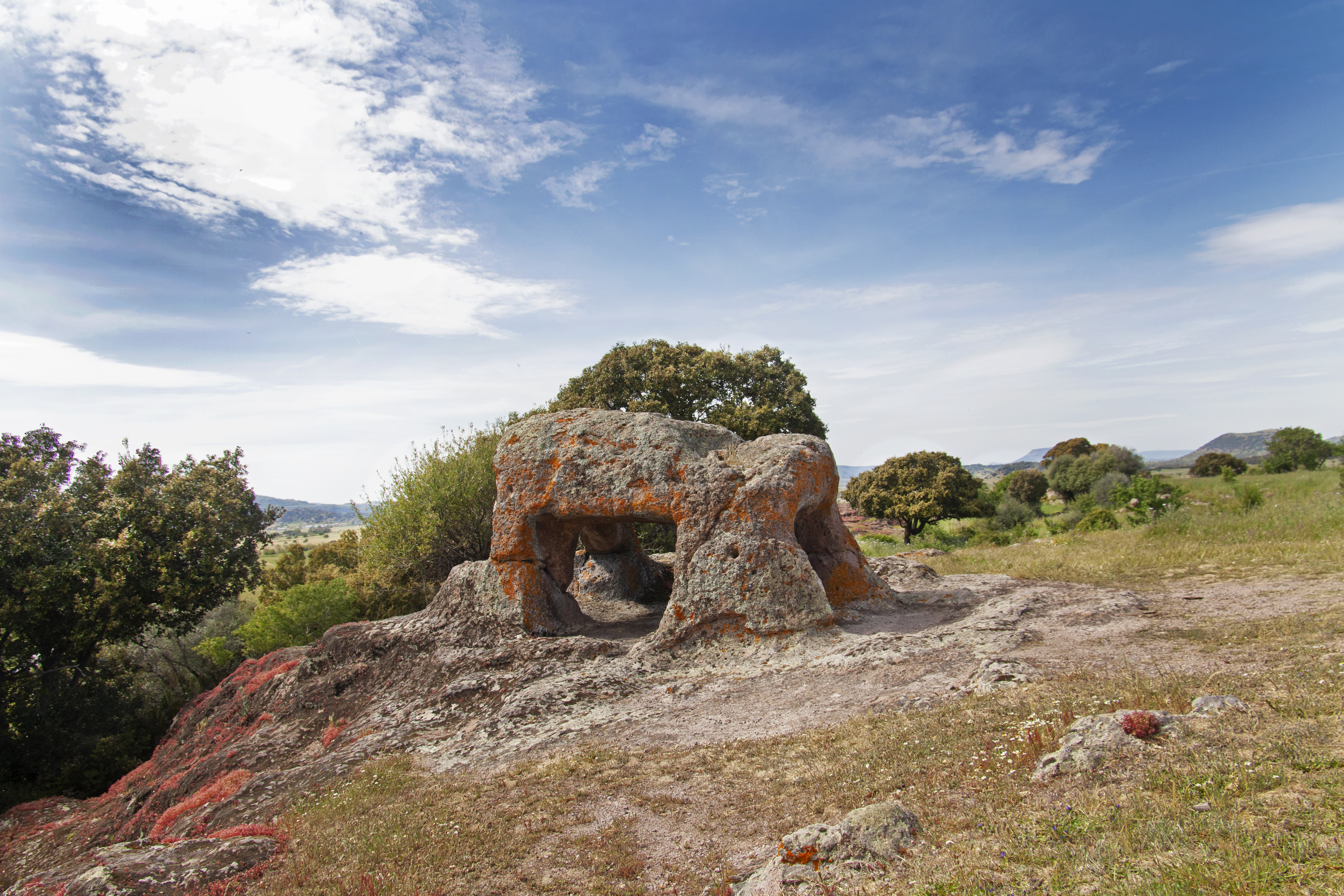
copertina-bonorva
Tipology:
Point of interest

Laconi

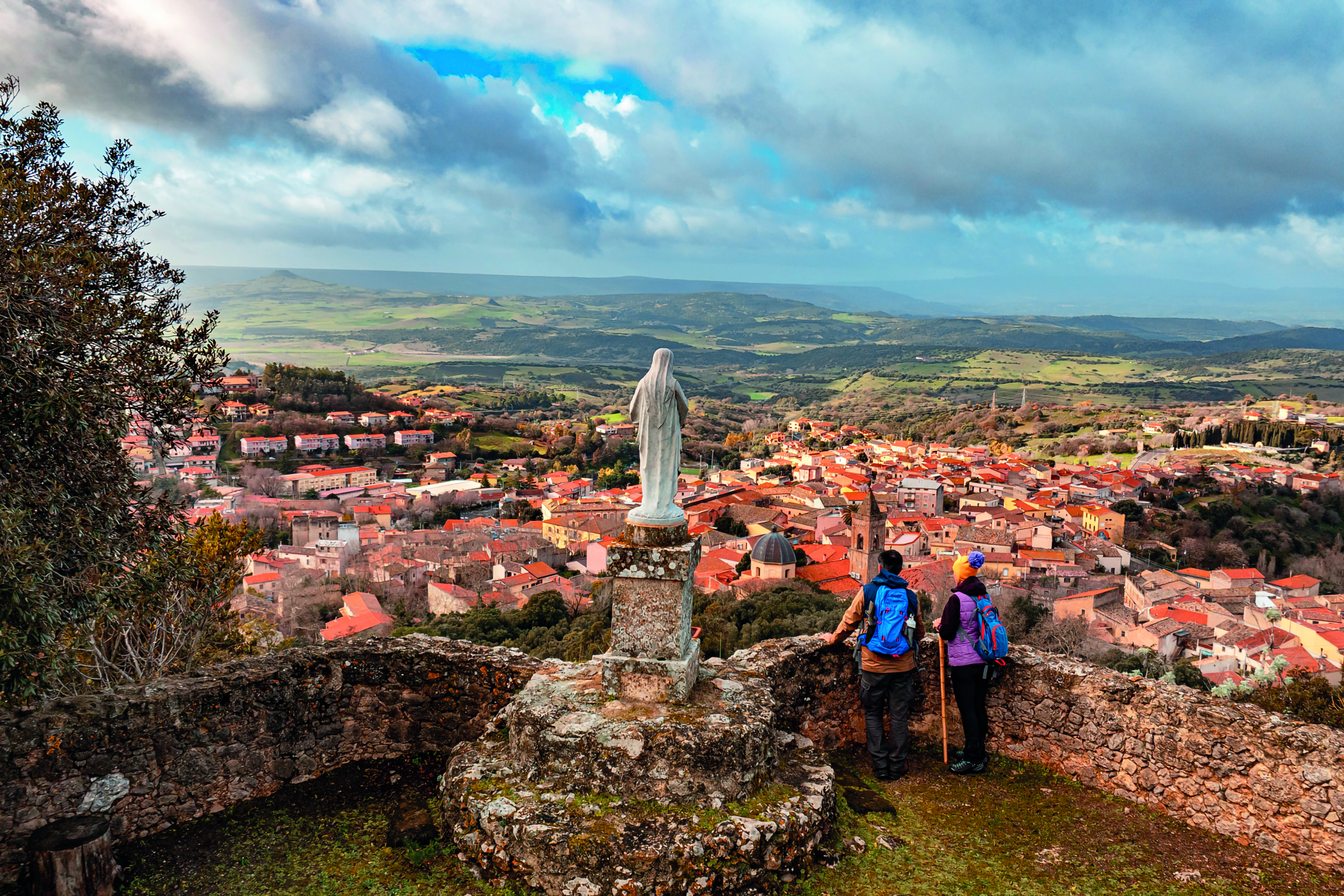
Laconi is a picturesque inland village in Sardinia, located in the historic region of Sarcidano at the foot of the Gennargentu massif. Nestled in a landscape of hills, forests, and natural springs, it is known for its green and peaceful character—ideal for those wishing to discover a Sardinia far from the sea but rich in charm, history, and spirituality.

At the heart of the village lies Parco Aymerich, one of Sardinia’s most beautiful historic gardens. Covering over twenty hectares, it features centuries-old holm oaks, exotic plants, streams, waterfalls, and paths leading to the ruins of a medieval castle, offering an immersive experience in both nature and historic landscape.

Laconi is deeply connected to Saint Ignatius of Laconi, one of the island’s most venerated saints, born here in the 18th century. The sanctuary and other sites dedicated to him attract numerous pilgrims every year, making Laconi an important center for religious tourism. The historic center retains an authentic atmosphere, with stone houses, quiet streets, and notable churches, while the surrounding territory is rich in ancient archaeological evidence.

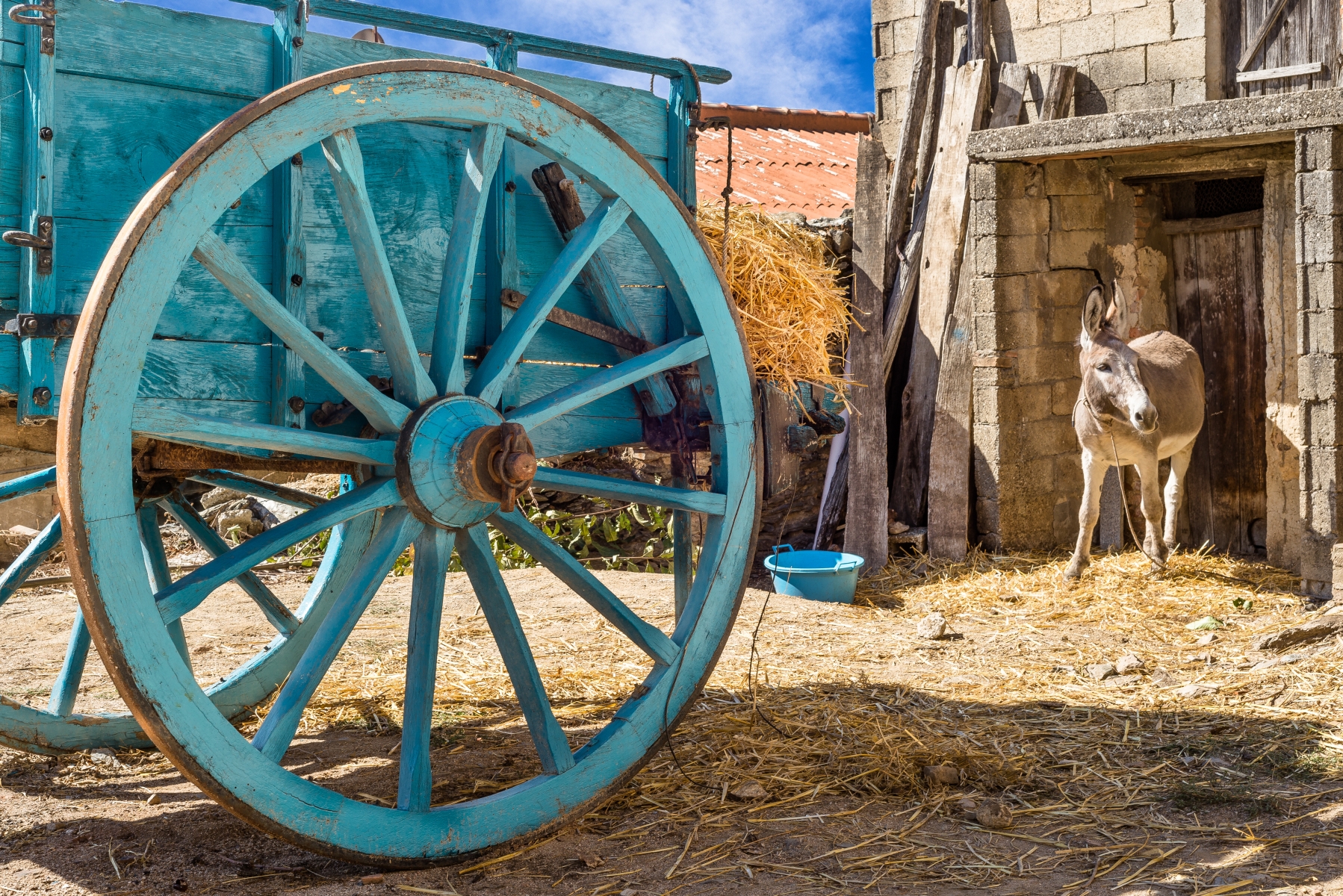
Alongside its natural and cultural heritage, Laconi plays an important role in biodiversity conservation. Local guardians work to preserve native animal breeds: Ignazio Cogoni, breeder and custodian of the Sardinian cow and the Sardo-Bruna cow, and Claudia Cogoni, guardian of the Sardinian donkey. Their work helps safeguard a valuable genetic heritage and keeps alive the agro-pastoral traditions that form a fundamental part of the local identity.

laconi-copertina

Interactive map

Explore the trail and discover points of interest along the way

Back to top